
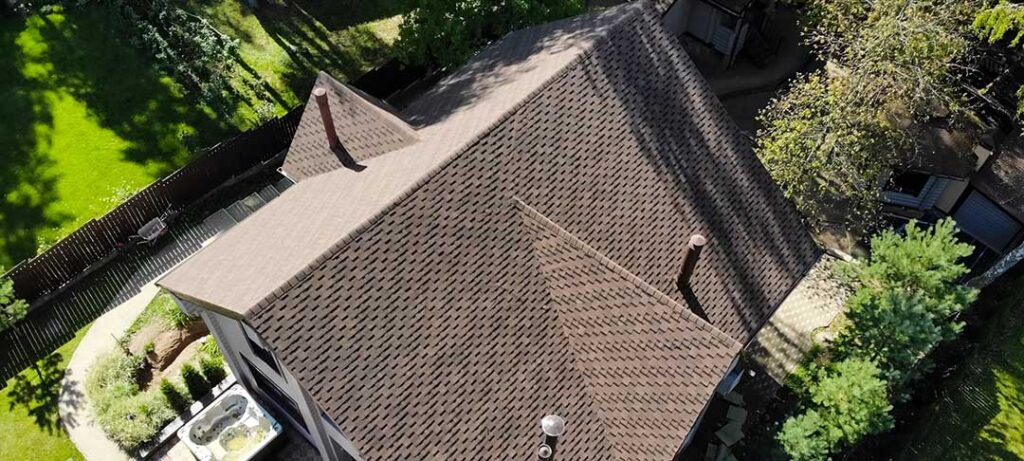
A roof replacement can affect energy bills by improving insulation, reducing air leakage, controlling heat gain, and preventing moisture problems. The savings are not automatic, however. Results depend on the condition of the existing roof, the amount of insulation, attic ventilation, air sealing, window performance, heating and cooling equipment, and household habits.
For homes in Hamilton, NY, roofing decisions deserve special attention because roofs face cold winters, snow, wind, freeze-thaw cycles, and warm summer weather. A replacement may improve comfort and energy performance, but the roof covering alone is only one part of the building envelope.
Can replacing a roof really reduce energy bills?
Yes, a roof replacement can reduce energy use when it corrects problems that allow heat to escape in winter or enter the home in summer. The greatest potential usually exists when the old roof has damaged areas, inadequate insulation, poor ventilation, or noticeable air leakage around the attic.
A new roof may help by:
- Reducing drafts caused by gaps around roof penetrations and attic openings
- Supporting better attic insulation installation
- Limiting heat transfer through the roof assembly
- Preventing water intrusion that damages insulation
- Improving summer heat control when reflective or properly designed materials are used
- Reducing the workload on heating and cooling equipment
Replacing shingles without addressing insulation and air leakage may produce little change in energy costs. In many homes, the largest improvement comes from work performed beneath the roof covering.
What roof problems contribute to higher energy bills?
An aging roof does not always waste energy simply because it is old. Energy loss is more often connected to specific construction or maintenance problems.
Common examples include:
Thin or compressed attic insulation
Insulation loses effectiveness when it is too shallow, unevenly distributed, wet, or compressed. Older homes may have insulation that no longer meets current performance expectations, especially around attic edges and areas near eaves.
A roof replacement can provide an opportunity to inspect the attic and improve insulation before the new roof is installed. In some cases, insulation can be added without replacing the roof, so replacement should not be treated as the only possible solution.
Air leaks between the living space and attic
Warm air can escape through gaps around recessed lights, wiring, plumbing penetrations, chimneys, attic hatches, and ceiling fixtures. During winter, this escaping air can carry moisture into the attic, where it may contribute to frost, damp insulation, mold growth, or wood deterioration.
Air sealing at the attic floor often has more effect on winter energy use than simply adding vents. Both areas should be evaluated together.
Damaged or wet insulation
Roof leaks can soak insulation and reduce its ability to resist heat flow. Even after the roof is repaired, wet or contaminated insulation may need attention. Moisture can also cause odors and damage to framing if it remains unresolved.
Poor attic ventilation
Proper ventilation helps manage heat and moisture in the attic. It does not replace insulation or air sealing, and more ventilation is not always better. The system must allow air to enter through appropriate intake locations and exit through properly designed exhaust openings.
In snowy conditions, ventilation also needs to work with insulation placement so that snow, ice, and moisture do not create new problems.
How does a roof replacement improve winter efficiency?
During a cold Hamilton winter, heat naturally moves from the warmer interior toward the colder exterior. A roof assembly with gaps, insufficient insulation, or moisture damage allows that heat to escape more easily.
A replacement project may improve winter performance when it includes:
- A sound roof deck without widespread moisture damage
- Continuous and properly installed underlayment
- Correct treatment around chimneys, vents, skylights, and other penetrations
- Adequate insulation at the attic floor or along the roofline, depending on the design
- Air sealing between the heated portion of the home and the attic
- Ventilation that limits condensation without allowing unnecessary air movement through the living space
The effect is often noticed first as improved room-to-room comfort. A home may have fewer cold ceilings, fewer drafts near upper-level rooms, and less frequent heating-system cycling.
Can a new roof lower summer cooling costs?
It can, particularly when the existing roof absorbs excessive heat or the attic becomes very hot. Dark roof surfaces, poor insulation, and inadequate ventilation can allow heat to move into upper rooms.
Summer performance depends on the entire roof system, including:
- Roof color and surface reflectivity
- Insulation levels
- Air sealing
- Attic ventilation
- Ceiling design
- Duct location and insulation
- Interior shading and window performance
A lighter or more reflective roof surface may reduce heat absorption, but it is not a universal solution. In a cold-weather climate, winter heating demand is often a larger concern than summer cooling demand. The most suitable roof design should account for both seasons rather than focusing on a single energy issue.
Does a new roof qualify for an energy tax credit?
Possibly, but eligibility depends on current federal rules, product requirements, installation details, and the year the work is completed. Roofing materials may be treated differently from insulation, air sealing, and other efficiency improvements.
Because tax rules can change, homeowners should verify current requirements before assuming a roof-related expense qualifies. Product packaging, installation records, and other documentation may be needed. A tax benefit should be viewed as a possible supplement, not the main reason to replace a roof.
What should homeowners inspect before replacing a roof?
An energy-focused roof evaluation should look beyond missing shingles. Useful questions include:
- Is the attic insulation deep, dry, and evenly distributed?
- Are there visible gaps around pipes, wires, ducts, or the attic hatch?
- Is there frost or staining on roof framing during cold weather?
- Does the attic have balanced intake and exhaust ventilation?
- Are bathroom or kitchen exhaust fans incorrectly discharging into the attic?
- Is the roof deck soft, stained, or deteriorated?
- Are ice dams forming along the eaves?
- Are upper-floor rooms unusually hot in summer or cold in winter?
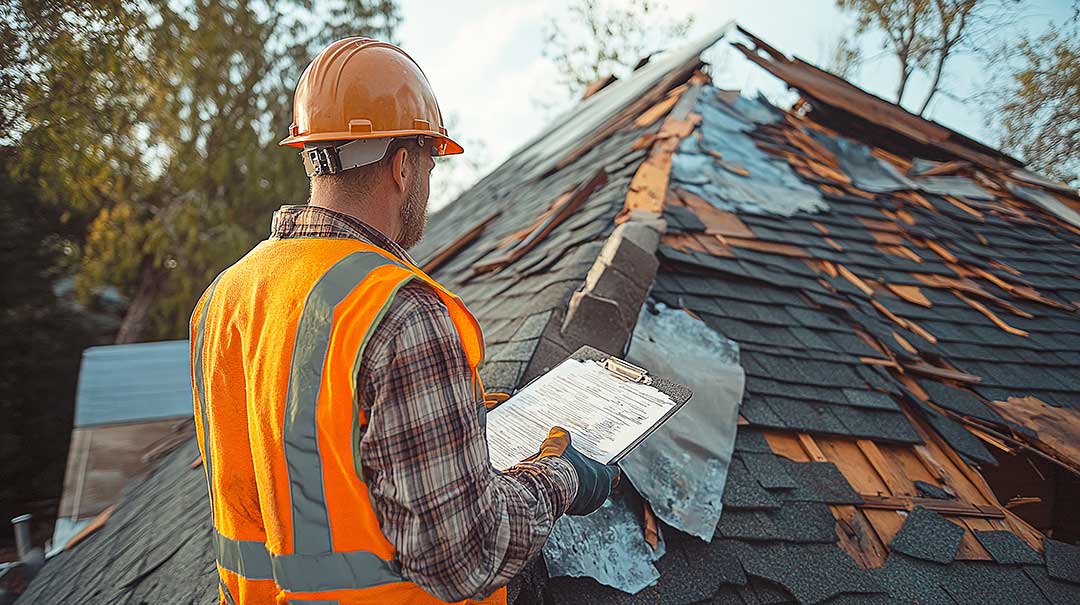
Ice dams are often connected to uneven roof temperatures, air leakage, and inadequate insulation. A new roof may remove damaged materials, but it will not necessarily prevent ice dams unless the underlying heat and airflow problems are corrected.
Is roof replacement more energy-efficient than roof repair?
Not always. Repair may be the more practical choice when damage is limited, the roof system is relatively young, and the attic insulation and ventilation are already performing well.
Replacement becomes more reasonable when the roof has widespread deterioration, repeated leaks, exposed decking, failing flashing, or a remaining service life that is short enough to make repeated repairs inefficient. The energy benefit should be considered alongside safety, moisture protection, durability, and expected maintenance.
A useful comparison is not simply “repair versus replacement.” It is the expected cost and performance of continued repairs compared with correcting the roof system and attic conditions together.
What energy improvements should be considered with a roof replacement?
The most useful improvements vary by home, but an energy-conscious project may include:
- Air sealing at the attic floor
- Additional insulation where space and moisture conditions allow
- Properly insulated attic access panels
- Sealing and insulating ducts located in the attic
- Correcting exhaust-fan discharge problems
- Replacing damaged insulation
- Improving intake and exhaust ventilation
- Installing durable flashing around roof penetrations
- Choosing roofing materials appropriate for both heating and cooling conditions
Ventilation should not be added casually. Cutting openings without a balanced design can allow snow, rain, or wind-driven moisture into the attic. Insulation should also be installed so that it does not block necessary airflow at the eaves.
How much can homeowners expect to save?
There is no dependable single savings figure for every house. A roof replacement may produce modest bill reductions in a well-insulated home, while a drafty home with wet insulation and significant attic leakage may show a more noticeable improvement.
Energy savings are affected by:
- Roof and attic condition before the project
- Home size and construction
- Heating fuel and equipment efficiency
- Weather patterns
- Thermostat settings
- Indoor humidity
- Air leakage through walls, windows, and doors
- Quality of the installation
The clearest expectation is usually improved control rather than a guaranteed percentage reduction. A properly completed roof and attic upgrade can help the home hold heat more consistently in winter and limit unwanted heat buildup during summer, but it cannot correct every source of energy loss.
For local households, the most valuable approach is to treat the roof as part of a connected system. The roof covering, attic insulation, air barrier, ventilation, flashing, and drainage all influence how efficiently the home performs through changing seasons.
