
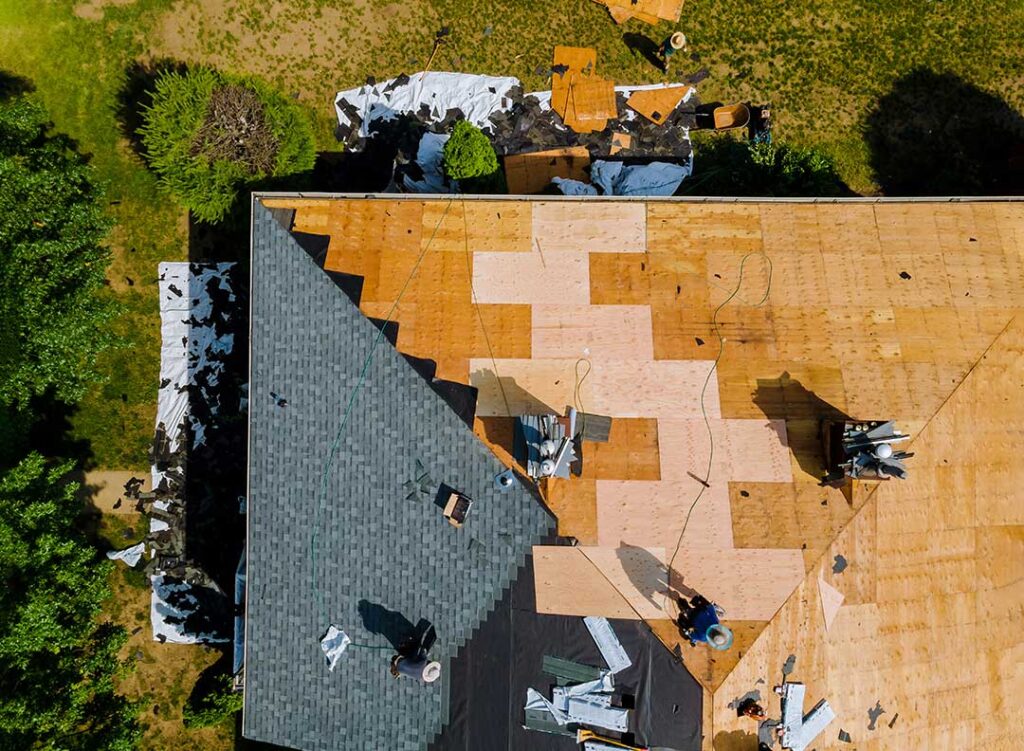
Roof fire ratings describe how a complete roof assembly performs when exposed to fire from outside the building. For households in Hamilton, NY, understanding these ratings can help clarify roofing labels, code requirements, insurance questions, and the practical differences between common roof coverings.
What does a roof fire rating measure?
A roof fire rating measures resistance to external fire exposure. Testing generally examines whether flames spread across the roof, whether burning materials can ignite the roof surface, and whether the roof covering remains in place during the test.
The rating applies to the roof assembly rather than simply to one visible material. An assembly may include:
- The roof covering
- Underlayment
- Sheathing or roof deck
- Fasteners
- Insulation or separation layers
- Installation details such as slope and attachment methods
A shingle, panel, tile, or membrane may have different ratings depending on how it is installed. Replacing one component with a different product can change the tested assembly’s classification.
Fire ratings primarily address fire reaching the roof from outside. They do not mean that a roof is fireproof, nor do they fully describe how the roof will perform during a fire that begins inside the attic or living area.
What are Class A, Class B, and Class C roof ratings?
Class A provides the highest level of protection against severe external fire exposure. Class B provides moderate protection, while Class C provides protection against light exposure.
In general terms:
- Class A: Effective against severe fire exposure, with a high degree of protection for the roof deck.
- Class B: Effective against moderate fire exposure, with a moderate degree of protection.
- Class C: Effective against light fire exposure, with a lighter level of protection.
These classifications are based on standardized tests involving flame exposure, burning brands, and flame spread. They are not time ratings. A Class A roof does not mean that the roof will resist fire for a specific number of minutes.
For most homeowners, the practical takeaway is simple: Class A represents the strongest commonly recognized external fire classification, but the label must correspond to the actual roof system and installation.
Is Class A always required in Hamilton?
The required rating depends on the building type, the applicable New York State code provisions, the location of the structure, and the scope of the work. New York’s Uniform Code establishes statewide minimum standards, while local enforcement determines how those requirements apply to a particular project.
The current New York State Uniform Code took effect on December 31, 2025. Older homes may have been built under earlier code editions, but new construction, alterations, and reroofing work may be reviewed under the code in effect when the permit application is submitted.
Roof covering requirements can also vary according to construction type and conditions such as proximity to a property line. A code official may need to determine whether a project involves simple maintenance, replacement of an existing roof covering, structural work, or a larger alteration.
That distinction matters because a homeowner should not assume that the rating printed on a product label automatically answers every code question. The listed roof assembly, the building’s construction, and the installation details all matter.
Which roofing materials can receive a Class A rating?
Many types of roofing can be part of a Class A assembly, but the rating depends on the tested system rather than the material name alone.
Examples may include:
- Asphalt shingles tested as part of a listed assembly
- Metal roofing installed over an approved deck or substrate
- Clay or concrete tile
- Slate
- Certain low-slope roofing membranes
- Some roof systems using fire-resistant underlayments or cover boards
A material commonly described as noncombustible may still require proper installation to qualify for a particular roof classification. Conversely, a combustible roof covering may achieve a high rating when used with the tested deck, underlayment, and attachment method.
Product packaging, technical data, or installation instructions should identify the applicable classification and any limitations. Important details may include roof slope, deck type, underlayment, fastener pattern, and whether the rating applies to a new roof or a specific assembly configuration.
Does roof fire rating affect older homes?
Yes. Older housing stock can contain several layers of roofing installed at different times. Some homes may have original wood sheathing, roof additions, enclosed porches, attached garages, or areas where the roof assembly changes from one section to another.
A reroofing project should account for conditions such as:
- Multiple existing roof layers
- Deteriorated or uneven decking
- Older wood shingles beneath newer coverings
- Unusual roof slopes
- Additions built under different code requirements
- Chimneys, vents, skylights, and other roof penetrations
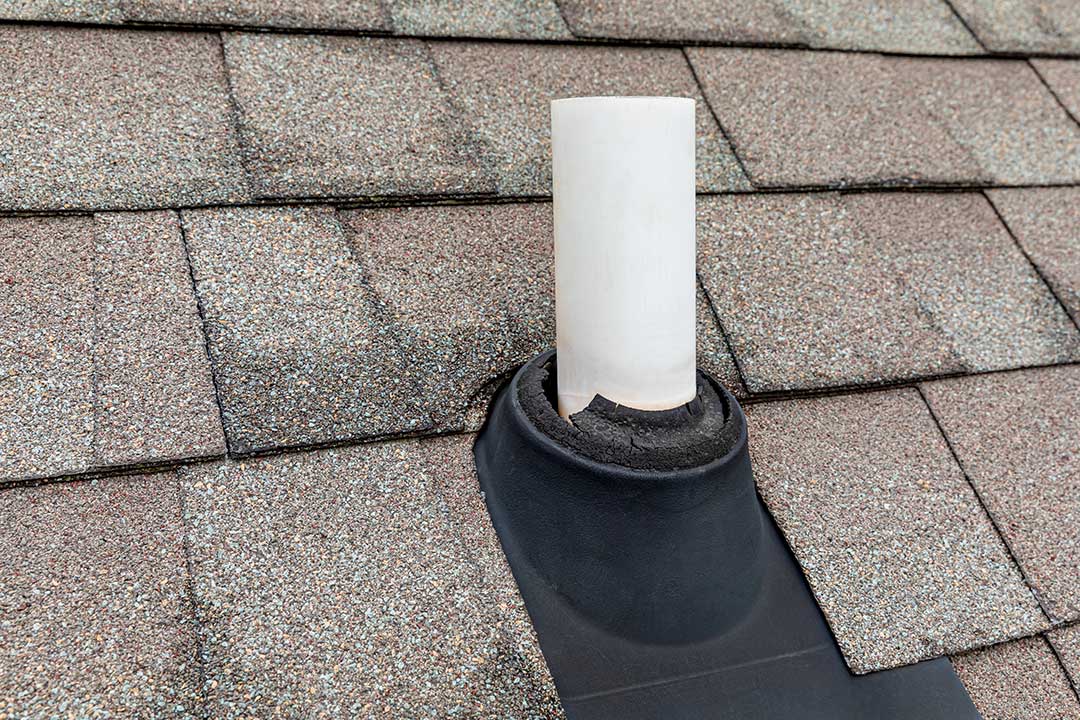
A new outer covering does not automatically correct weaknesses in the underlying assembly. If the deck is damaged or the installation differs from the tested configuration, the expected fire performance may not match the rating shown for the product.
How do snow, ice, and seasonal conditions affect fire performance?
Hamilton experiences cold winters, snow, ice, freeze-thaw cycles, and seasonal moisture. These conditions do not necessarily change a roof’s listed fire classification, but they can affect the roof’s condition over time.
Water intrusion, repeated freezing, damaged flashing, and deteriorated underlayment may create openings or weaken components that contribute to the roof assembly’s performance. Snow and ice can also conceal damage, debris, or gaps around penetrations.
Regular visual checks from the ground can help identify warning signs such as missing coverings, exposed underlayment, sagging areas, damaged flashing, or debris collecting near chimneys and roof valleys. Walking on a roof during icy or wet conditions creates a separate fall hazard and is not advisable.
Does a fire-rated roof prevent a house fire?
No. A fire-rated roof can reduce the chance that an exterior fire source will spread across the roof or ignite the roof deck, but it cannot eliminate all fire risks.
Other factors include:
- Chimney and heating-system maintenance
- Electrical wiring and equipment
- Attic ventilation and insulation details
- Fire separation between an attached garage and the home
- Vegetation, leaves, and combustible debris near the structure
- Openings around vents, eaves, and roof edges
- The condition of interior ceilings and attic barriers
A roof classification is one part of the building’s overall fire protection. Smoke alarms, safe heating practices, properly maintained chimneys, and clear escape routes remain essential.
What should homeowners check on roofing paperwork?
Roofing documents should identify the tested assembly or listing rather than only naming a general product category. Useful information may include:
- The fire classification
- The testing standard, such as ASTM E108 or UL 790
- Approved roof slopes
- Required underlayment
- Compatible deck materials
- Fastening requirements
- Installation limitations
- Whether the classification applies to the complete assembly
If a permit is required, the code official may also need documentation showing that the proposed roof system meets the applicable New York requirements. This is especially relevant when changing materials, adding insulation, installing rooftop equipment, or altering the roof deck.
The most reliable question is not simply, “Is this roofing material fire rated?” It is, “What is the fire classification of this complete roof assembly when installed on this building?”
