
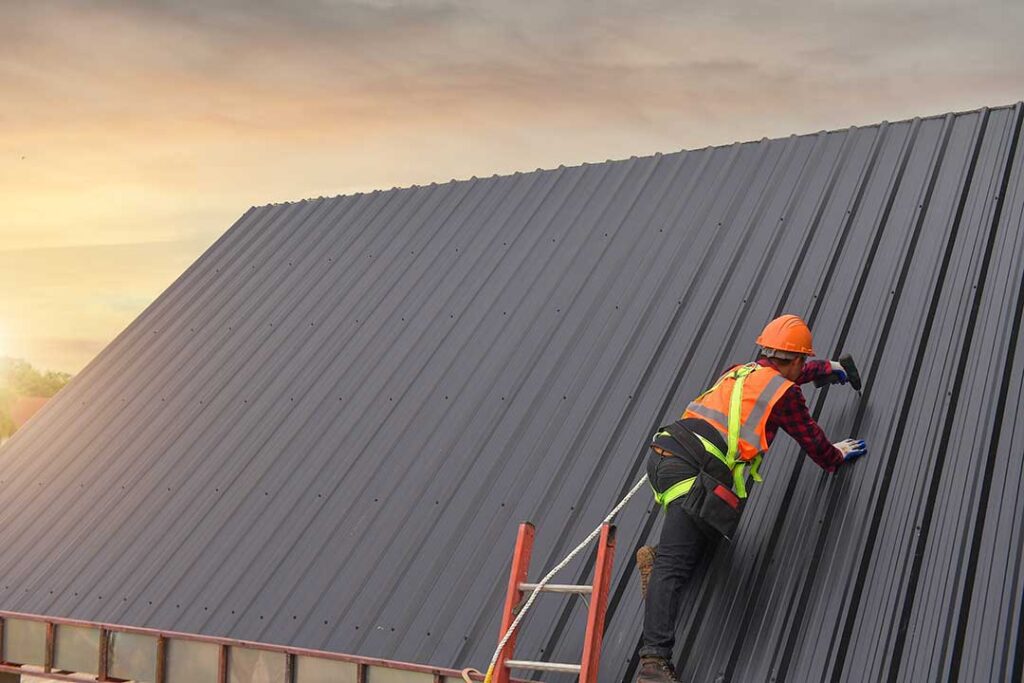
Roof aging does not look the same on every home. Asphalt shingles may lose protective granules, metal panels may develop fastener or coating problems, and slate can remain serviceable while its flashing or support materials deteriorate. Learning the warning signs for each roof type helps residents distinguish normal weathering from conditions that need prompt attention.
What does an aging roof usually look like?
An aging roof often shows several small changes before it develops an obvious leak. Color variation, surface wear, exposed materials, loose components, and recurring repairs can all indicate that the roof is reaching the later part of its service life.
Common exterior signs include:
- Shingles or panels that no longer lie flat
- Cracked, curled, broken, or missing roofing materials
- Rust, peeling finishes, or exposed fasteners
- Sagging areas along the roof plane or at the ridge
- Damaged flashing around chimneys, vents, skylights, and wall intersections
- Heavy moss or lichen growth that keeps surfaces damp
- Granules collecting in gutters or near downspouts
- Interior stains, damp insulation, or musty attic odors
A single dark spot or a small amount of moss does not automatically mean the entire roof needs replacement. The pattern, location, and age of the material matter.
How can asphalt shingle aging be identified?
Asphalt shingles commonly show aging through surface loss and loss of flexibility. A roof may still appear intact from the ground while its protective weathering layer is becoming less effective.
Look for:
- Granules collecting in gutters or at the ends of downspouts
- Bald or noticeably smoother patches on shingle surfaces
- Curling corners, raised edges, or shingles that appear wavy
- Cracks running through individual shingles
- Missing shingles after wind or heavy weather
- Exposed dark areas where the shingle surface has worn away
- Shingle tabs that no longer seal or remain aligned
Granule loss is especially meaningful when it is widespread rather than limited to a few isolated pieces. Granules shield the asphalt coating from sunlight and weather. As they disappear, the shingle can become more vulnerable to cracking and faster deterioration.
Curling may result from age, poor attic ventilation, installation problems, or repeated moisture exposure. It should not be judged by appearance alone. A roof with minor curling in one section may have a localized problem, while widespread curling suggests broader aging.
In Hamilton, seasonal freezing, snow accumulation, ice formation, and summer sunlight can place repeated stress on asphalt shingles. Snow sliding from a roof can also loosen lower shingles, flashing, or gutter components.
What are the signs of aging on a metal roof?
Metal roofing often lasts longer than many asphalt systems, but it does not remain maintenance-free. Aging usually appears in the finish, seams, fasteners, penetrations, or areas where dissimilar materials meet.
Important warning signs include:
- Rust around seams, fasteners, cut edges, or roof penetrations
- Peeling, chalking, or fading protective coatings
- Loose or missing screws with worn washers
- Open seams or panels that have shifted
- Punctures, dents, or deformation around valleys
- Water staining below fasteners or seams
- Corrosion where metal meets masonry, wood, or another type of metal
Minor dents are often cosmetic, especially when they do not interrupt the coating or change drainage. A puncture, open seam, or rust-through area is more serious because it can allow water beneath the metal surface.
Metal roofs expand and contract as temperatures change. Over many years, that movement can stress fasteners, sealants, seams, and flashing. Areas around chimneys, vents, skylights, and wall transitions deserve particular attention because they contain more joints than the main roof surface.
How does aging appear on slate roofing?
Slate can remain functional for many decades, but individual slates and the materials holding them in place may age at different rates. A slate roof should not be judged only by its overall appearance.
Signs of deterioration include:
- Slates that are cracked, split, or broken
- Slates that have slipped out of position
- Rusting or failed fasteners
- Powdering, flaking, or delamination along slate surfaces
- Missing pieces near valleys, eaves, or roof edges
- Damaged flashing around chimneys and wall intersections
- Repeated leaks in the same area
A few broken slates do not necessarily mean the entire roof has reached the end of its useful life. Slate roofs can often have isolated material failures while the remaining slate is still sound. However, walking on slate can break additional pieces and create a fall hazard, so inspection from the ground, attic, or a properly positioned access point is safer.
The underlayment and flashing may age sooner than the slate itself. This is one reason a roof can look visually sound while still developing leaks.
What should homeowners look for on wood shakes or shingles?
Wood roofing tends to show age through moisture damage, splitting, and loss of shape. Its condition depends heavily on ventilation, exposure, maintenance, and how quickly water drains from the roof.
Watch for:
- Deep cracks or splits running with the grain
- Shakes that are cupped, curled, or lifting
- Soft areas caused by decay
- Dark staining that remains after dry weather
- Moss or lichen holding moisture against the wood
- Thin, brittle, or eroded edges
- Excessive gaps between pieces

Wood materials that stay damp are more likely to decay. Nearby overhanging branches, clogged roof valleys, poor ventilation, and shaded sections can accelerate aging. A few surface stains are not always structural damage, but soft wood, widespread splitting, or persistent dampness requires closer evaluation.
Do flat roofs show age differently?
Flat and low-slope roofs often age through water retention, membrane wear, and failing seams rather than obvious missing pieces. Even a small amount of standing water can reveal a drainage problem.
Look for:
- Ponding water that remains after normal rain
- Blisters, bubbles, wrinkles, or open seams
- Cracks around drains, edges, and penetrations
- Deteriorated surface coatings
- Loose edge metal or damaged parapet flashing
- Interior stains beneath drains or roof transitions
- Soft or sagging areas
Flat roofs should drain within a reasonable period after precipitation. Persistent ponding adds weight and exposes the membrane to repeated moisture and temperature changes. Blocked drains and roof edges can turn a manageable maintenance issue into a leak or structural concern.
How can attic conditions confirm roof aging?
The attic often reveals problems before they become visible outdoors. Check for daylight entering through unintended openings, wet insulation, darkened roof sheathing, rusty nails, or water tracks.
A roof leak may not appear directly below its entry point. Water can travel along rafters, decking, insulation, or framing before creating an interior stain. For that reason, the location of a ceiling mark does not always identify the exact roof defect.
Poor attic ventilation can also shorten the life of roofing materials by trapping heat and moisture. In cold weather, warm indoor air entering the attic may condense on cold surfaces or contribute to ice formation along roof edges.
Which roof-aging signs require prompt attention?
Some conditions should not wait for the next routine inspection:
- A roof section is sagging
- Water is entering during rain or thawing snow
- The roof deck feels soft or appears visibly damaged
- Large areas of material are missing
- Flashing has pulled away from a chimney or wall
- Electrical components are near active water intrusion
- A tree limb or other object has struck the roof
- A steep, icy, or visibly unstable roof must be accessed
Exterior roof inspections are safest from the ground when conditions are wet, icy, windy, or snow-covered. A qualified inspection may be necessary when the roof is steep, fragile, difficult to reach, or showing structural damage.
The most useful approach is to evaluate the roof type, the age of the materials, the location of visible defects, and the history of leaks together. A roof that looks weathered but remains dry and well-drained may need monitoring, while a newer roof with repeated leaks or sagging areas may require immediate attention.
