
What helps a roof last longer?
A roof usually lasts longest when small problems are found early, moisture is kept out, and attic conditions remain balanced. In Hamilton, NY, seasonal temperature swings, snow, ice, wind, rain, and repeated freeze-thaw cycles can place steady stress on roofing materials.
Roof longevity depends on more than the shingles. Flashing, ventilation, drainage, roof edges, fasteners, insulation, and nearby trees all affect how well the entire roofing system performs.
How often should a roof be inspected?
A basic roof inspection is useful at least once a year, with an additional check after unusually strong wind, heavy snow, ice buildup, or falling branches. Spring and early fall are practical times because they allow residents to identify damage before the most demanding winter conditions arrive.
A ground-level inspection can reveal several warning signs:
- Missing, cracked, curled, or unusually dark shingles
- Exposed fasteners or areas where roofing material appears loose
- Sagging along the roofline or between supports
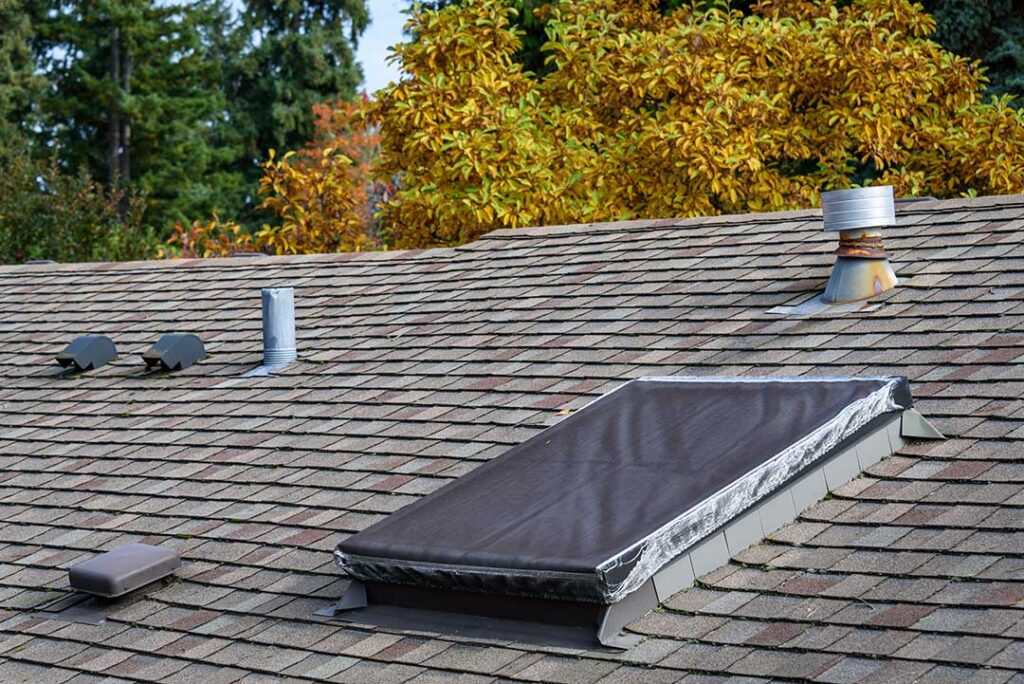
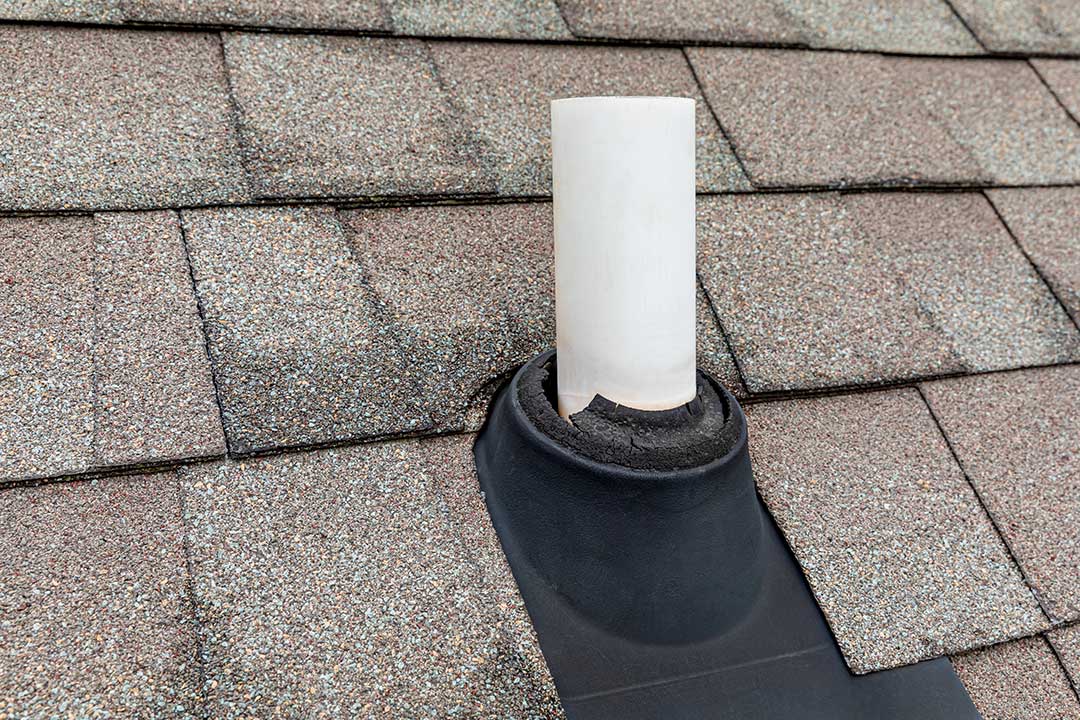
- Damaged metal around chimneys, vents, skylights, or wall intersections
- Granules collecting in gutters or near downspouts
- Water stains on ceilings, walls, or attic framing
- Moss or algae that remains damp for long periods
Walking on a roof can damage shingles and create a fall hazard, especially when the surface is wet, frosted, steep, or covered with debris. Roof access should be limited when conditions are unsafe.
Why should gutters and downspouts be maintained?
Clear gutters help move water away from the roof and the building. Blocked gutters can cause water to back up under roof edges, soak fascia boards, damage soffits, and contribute to ice formation during freezing weather.
Leaves, twigs, roofing granules, and compacted debris should be removed regularly. Homes near mature trees may need more frequent attention, particularly after autumn leaf drop and major storms.
Downspouts should discharge water far enough away from the foundation to prevent pooling. A downspout that releases water beside the building can contribute to basement moisture, soil erosion, and repeated wetting of lower wall sections.
Gutter cleaning should be done from a stable ladder with appropriate precautions. If a roof edge is high, difficult to access, or covered with ice, the task may present enough risk to require trained assistance.
How does attic ventilation affect roof life?
Proper attic ventilation helps control heat and moisture. In winter, warm indoor air can reach the attic through gaps around light fixtures, plumbing penetrations, attic hatches, and ductwork. If that moisture condenses on cold roof surfaces, it can contribute to damp insulation, mold growth, wood deterioration, and frost buildup.
Ventilation alone cannot correct major air leaks. A durable attic system generally needs:
- Adequate insulation
- Sealed air leaks between the living space and attic
- Intake ventilation near the roof edges
- Exhaust ventilation near the upper roof area
- Clear airflow paths that are not blocked by insulation
In summer, ventilation can reduce heat buildup beneath the roof deck. It does not make an attic cool, but balanced airflow may reduce repeated expansion and contraction of roofing materials.
Adding vents without considering the existing ventilation pattern can create an imbalance. More openings are not automatically better if intake and exhaust pathways do not work together.
Should snow be removed from a roof?
Most roofs are designed to support ordinary local snow loads, but heavy, wet snow and repeated layers can create additional stress. Snow removal may be necessary when accumulation becomes unusually deep, drifting concentrates snow in one area, or the roof shows signs of strain.
Warning signs include:
- New sagging in roof framing or ceilings
- Doors that suddenly stick because of structural movement
- Cracking noises from the attic or upper floors
- Large snow loads concentrated behind higher roof sections
- Ice dams that repeatedly allow water beneath shingles
Snow should not be removed by climbing onto an icy roof. Metal tools can damage shingles, flashing, and protective membranes. Aggressive scraping can also remove granules or expose the roof deck.
Ice dams are often linked to uneven roof temperatures caused by attic air leakage, inadequate insulation, or blocked ventilation. Removing visible ice may provide temporary relief, but correcting the underlying heat and moisture pattern is more durable.
What should be trimmed or removed near the roof?
Branches that rub against shingles can wear away protective granules and loosen roofing materials. Overhanging limbs can also drop leaves into gutters, hold moisture against the roof, and fall during high winds or heavy snow.
Trees should be evaluated before branches become a hazard. Large limbs close to the roof, electrical lines, or occupied areas may require specialized equipment and should not be handled casually.
Moss and algae deserve attention when they keep roof surfaces damp. Moss can lift shingle edges as it grows beneath them, while persistent organic growth may indicate poor sunlight exposure or slow drainage. Scraping, pressure washing, or using harsh chemicals can shorten the life of shingles. Cleaning methods must match the roofing material and avoid damaging the protective surface.
How can small leaks be found early?
A leak may not appear directly below the damaged area. Water can travel along roof decking, rafters, insulation, or wall cavities before becoming visible indoors. A small ceiling stain should therefore be treated as evidence of a possible active moisture problem, not simply a cosmetic mark.
Check the attic when conditions are safe. Look for:
- Damp insulation
- Darkened wood
- Rust around fasteners
- Water trails
- Daylight visible through the roof deck
- Musty odors or signs of mold
After rain, wind, or snowmelt, these signs may be easier to identify. Stains that appear only during certain weather patterns can point toward flashing, roof-edge, or wind-driven rain problems.
Prompt attention is especially important when water is near electrical wiring, recessed lights, insulation, or structural wood. These conditions can create safety hazards beyond ordinary roof damage.
Do roof repairs need to match the original materials?
Repairs last longer when the replacement materials are compatible with the existing roof. Shingle type, exposure, color, underlayment, flashing design, sealants, and fastening methods can all affect the result.
A patch that looks acceptable from the ground may still fail if water is directed toward an open seam or if old flashing is reused after it has lost its protective function. Roofing materials also become brittle with age, so repairs on an older roof may disturb nearby areas.
It is useful to keep records of installation dates, previous repairs, material types, and recurring leak locations. This information can help distinguish an isolated repair from a roof system approaching the end of its useful service life.
When is replacement more practical than continued repair?
Repeated repairs may no longer be economical when a roof has widespread granule loss, multiple leaking areas, extensive curling or cracking, soft decking, failing flashing, or significant age combined with declining performance.
A roof does not need to leak everywhere before replacement becomes a reasonable consideration. If several components are failing at once, isolated patches may only delay a larger project while allowing hidden moisture damage to continue.
Safety and building-code requirements also matter. Structural damage, inadequate ventilation, unsafe access, and work involving electrical systems or significant height are not appropriate for casual do-it-yourself repairs.
Regular observation, controlled moisture, clear drainage, sound attic conditions, and careful response to storm damage give a roof the best chance of reaching its expected service life in a demanding northern climate.
