
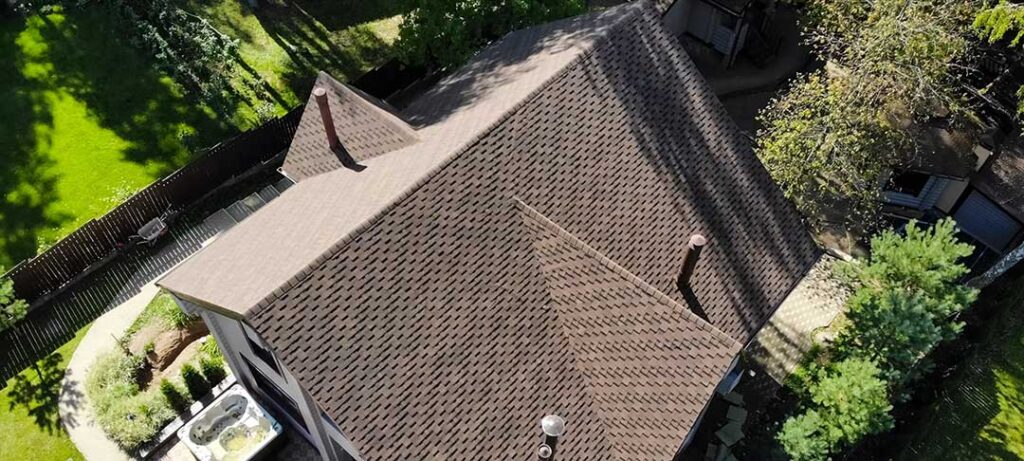
What is the safest way to clean a residential roof?
The safest approach is to clean from the ground whenever possible and avoid walking on the roof. A long-handled soft brush, roof-safe cleaning solution, and controlled low-pressure rinsing can remove much of the surface dirt, algae, moss, and leaf debris without creating unnecessary fall or roof-damage risks.
Roof cleaning is not simply a cosmetic task. In Hamilton, NY, roofs may collect damp leaves, pollen, moss, and organic debris during the growing season, followed by snow, ice, and repeated freeze-thaw cycles. Moisture trapped against roofing materials can contribute to staining, surface wear, clogged drainage, and deterioration around roof edges.
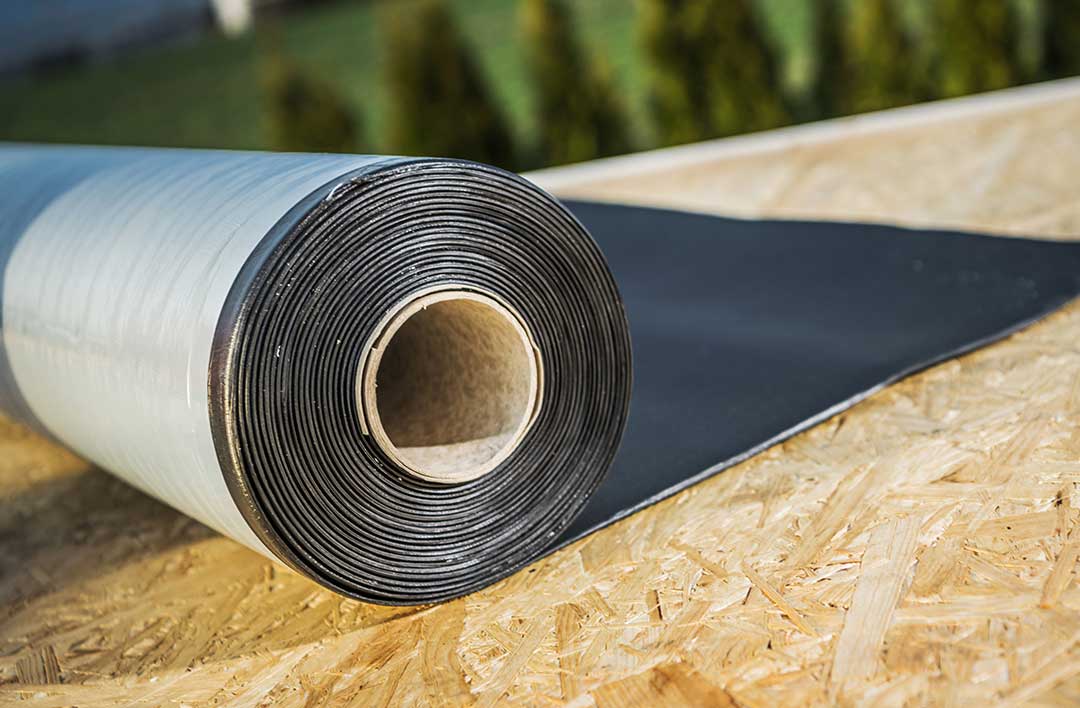
Before starting, inspect the roof from the ground. Look for missing or lifted shingles, sagging areas, exposed underlayment, damaged flashing, loose gutters, or branches touching the roof. If any of these conditions are present, cleaning may worsen the damage.
Should you walk on the roof to clean it?
Most homeowners should not walk on a roof to clean it. Roofing surfaces can be steep, brittle, wet, dusty, or unexpectedly slippery, especially when covered with algae or moss. Asphalt shingles also lose protective granules when walked on repeatedly, and older shingles may crack under body weight.
A ladder does not eliminate the danger. Climbing onto a roof requires stable footing, correct ladder placement, three points of contact, and a way to work without overreaching. A fall-protection harness is only useful when it is attached to a properly rated anchor and used correctly. Improvised attachment points, chimney components, plumbing vents, or gutter systems are not reliable fall protection.
Avoid roof work during:
- Rain, frost, snow, or icy conditions
- High winds or sudden gusts
- Morning hours when dew has not dried
- Extreme heat, which can soften some roofing materials
- Conditions that make the ground, ladder, or roof surface unstable
For many homes, ground-based cleaning is the appropriate limit. A roof that requires foot traffic, steep-slope access, or specialized fall protection presents a different level of risk.
How can roof dirt and organic growth be removed from the ground?
Begin by protecting the area around the house. Move outdoor furniture, cover sensitive plants if needed, and keep children and pets away from the work area. Disconnect or protect items that could be affected by runoff.
Use a soft-bristle roof brush or a specially designed roof-cleaning tool on an extension pole. Work from the lower edge toward the upper sections only when the tool can be controlled safely from the ground. Do not scrape aggressively, pry up shingles, or use a metal rake. Those methods can remove granules and damage the water-shedding surface.
For loose leaves and small twigs, a leaf blower may be useful if it can be operated from a safe position. Direct the airflow downward and away from roof edges, vents, windows, and neighboring property. Blowing debris upward under shingles can create additional problems.
Heavy moss should not be yanked out by hand. Moss roots can be attached to the shingle surface, so pulling may remove granules or lift shingles. A cleaning solution should loosen the growth gradually, followed by gentle brushing after it has died back.
What cleaning solution should be used?
A roof-cleaning product should be labeled for the specific roofing material. Asphalt shingles, metal roofing, slate, wood, and membrane roofs do not all tolerate the same chemicals or application methods.
Many roof-cleaning methods use a diluted chlorine-based solution to treat algae and moss. If such a solution is used, follow the product label exactly. Never combine bleach with ammonia, acids, vinegar, or other cleaners because dangerous gases can form.
Apply only enough solution to wet the affected area. Do not allow concentrated cleaner to sit on painted surfaces, siding, metal fixtures, stonework, or delicate plants. Rinse surrounding areas with clean water before and after treatment when the product directions permit it.
Avoid relying on pressure washing. High-pressure water can force moisture beneath shingles, strip away protective granules, damage flashing, and loosen caulking. It may make a roof look clean briefly while shortening the life of the roofing material.
How should runoff be managed?
Roof-cleaning runoff should be treated as a potential hazard to plants, soil, siding, decks, and waterways. Use downspout extensions or temporary collection methods to direct water away from foundation walls and sensitive landscaping. Keep cleaning chemicals out of storm drains and surface water.
Plants directly below the roofline may be affected by dirty or chemically treated runoff. Thorough watering before and after cleaning can reduce stress, but this does not make every product safe for vegetation. Product labels should be checked for plant-protection instructions.
Gutters and downspouts should be checked after the roof is cleaned. Moss, leaves, and shingle granules can move into the drainage system. Clogged gutters can overflow against fascia boards, siding, and foundation areas, particularly during heavy summer storms and spring snowmelt.
How should roof moss be handled?
Moss is often a sign that a roof stays damp and shaded. Cleaning can remove the visible growth, but the underlying moisture conditions may remain. Overhanging branches, poor airflow, shaded roof sections, and blocked drainage can all contribute.
After the moss has been treated and loosened, remove it gently rather than pulling forcefully. Zinc or copper strips may help limit future growth on some roof types, but they must be installed without damaging shingles or creating unsafe roof access. Metal runoff can also affect plants and certain exterior materials.
Do not confuse moss with ordinary dark staining. Algae-related discoloration may appear as black or brown streaks and does not always create the same physical buildup as moss. The correct treatment depends on the type of growth and the roofing material.
When should roof cleaning be avoided?
Roof cleaning should be postponed when the roof is damaged, unusually steep, visibly unstable, or covered with ice or snow. It should also be avoided if cleaning would require standing near unprotected edges, skylights, dormers, or fragile roof sections.
A roof that has lost granules, shows exposed fasteners, contains soft spots, or has widespread curling shingles may need evaluation before any cleaning takes place. Cleaning is not a substitute for repairing leaks, replacing failed flashing, correcting ventilation problems, or addressing structural damage.
For homes with challenging roof designs or significant fall hazards, the safest decision may be to leave the roof untouched until the hazards can be properly controlled. The risk of a fall or permanent roof damage is greater than the benefit of removing surface staining immediately.
How often should a roof be cleaned?
There is no universal cleaning schedule. Inspect the roof from the ground at least twice each year, preferably after winter and again before the season of heavy leaf fall. Clean only when debris, moss, algae, or drainage problems justify the work.
Keeping branches trimmed away from the roof, maintaining clear gutters, improving sunlight and airflow where practical, and removing leaves from roof valleys can reduce the need for aggressive cleaning. In a climate with snow, ice, and frequent freeze-thaw changes, preventing moisture from remaining trapped against roofing materials is especially useful.
The safest roof-cleaning plan is modest: inspect first, work from the ground when possible, use a roof-compatible solution, avoid pressure washing, control runoff, and stop whenever the task requires unsafe roof access.
