
How Do Pests Enter Roof Spaces in Hamilton, NY?
Pests like rodents, birds, and insects can reach interior roof spaces by exploiting small openings and vulnerable edges. In Hamilton, NY, the combination of aging housing stock, local flora, and seasonal weather changes offers numerous opportunities for pest entry if roofs aren’t maintained with care.
What Are the Most Common Points of Entry?
The most frequent entry points for pests are usually areas where materials meet or begin to break down. These include:
- Gaps in roof flashing or loose shingles: Water and wind can loosen roofing materials over time, creating openings.
- Roof vents and chimneys: Birds and smaller mammals may squeeze through damaged or unscreened vents and chimneys.
- Eaves and soffits: Rotting wood or poor construction can create perfect-sized holes for bats, squirrels, or starlings.
- Attic exhaust fans or gable vents: If the protective mesh is missing, bees, wasps, or mice may enter.
- Roof intersections and valleys: Slow leaks or improper installation can cause wood to soften, making it easier for pests to force their way in.
Why Are Roofs in This Area Especially Vulnerable?
Hamilton’s climate features snow accumulation, springtime thaw cycles, and a relatively humid summer—all of which place unique stress on building materials. As snow melts and refreezes on roofs, the freeze-thaw cycle can widen tiny cracks. Gutters may back up with autumn leaves, further accelerating wood decay under rooflines. This combination of climate and mature trees next to homes increases the odds of pests finding both cover and entry.
Can Small Openings Really Be a Problem?
Yes—many pests need only a tiny gap to gain access. Mice require less than a dime-sized hole, while bats can fit through half-inch openings. Local residents may be surprised how quickly bees or wasps move into an attic through a missing vent screen. Even squirrels may chew and widen existing cracks, turning a minor vulnerability into a wide-open invitation.
What Roles Do Roof Age and Maintenance Play?
Older roofs in the community are especially prone to pest intrusion. Over time, shingles can curl, mortar crumbles, and metal flashing corrodes, which all provide more opportunities for determined wildlife. Regular inspections—especially after storms—help spot developing gaps, missing shingles, or moisture-damaged soffits before pests discover them.
Which Local Pests Are Most Likely to Move Into Roofs?
Hamilton’s mix of forested parcels, open fields, and water bodies means a variety of wildlife live nearby. Pests known to frequent roof spaces include:
- Squirrels and chipmunks: Often gnaw through soft wood or under eaves.
- Mice: Opportunistic, able to squeeze through tiny gaps around utility penetrations.
- Bats: Frequently roost in attics if fascia or gables are unprotected.
- Starlings or sparrows: Nest inside open soffits or attic vents.
- Raccoons: Though less common, can force entry in search of a safe den.
- Bees and wasps: Invade attics through unsealed or damaged vents, especially in late summer.
Could Insulation and Storage Affect Pest Problems?
Attic insulation that’s been disturbed or compressed may signal the presence of nesting animals. Likewise, storing cardboard boxes or fabric in roof spaces may attract rodents that are looking for nesting materials. Ensuring clean, open attic spaces, without clutter or easily chewed materials, helps discourage unwanted guests.
What Are Signs That Pests Might Already Be Inside?
Pest activity in the roof may go unnoticed until subtle changes appear:
- Scuttling or scratching noises overhead at night, especially during winter months.
- Sudden increase in bird or animal droppings around the house perimeter or in attic corners.
- Insulation that’s been pulled apart or shredded.
- Fluttering noises at dusk or dawn, potentially from bats.
- Disturbed entry points, such as chewed eaves, gnawed wires, or visible nests.
Local residents often first discover a problem when autumn leaves are cleared out, revealing chewed areas or active nests.
How Does Hamilton’s Seasonal Cycle Impact Roof Pest Activity?
Freezing winters push rodents and small mammals to seek warmth and shelter in roof spaces. During spring, pests may seek dry places to raise young, while summer months bring swarms of insects looking for nesting sites. In the fall, critters are more active as they look for insulated areas to overwinter, making roof entry points especially attractive during this transition.
Are There Overlooked Issues That Can Make a Difference?
Several commonly missed details can impact how easy it is for pests to get inside:
- Trimming back tree branches close to the roof helps deter squirrels and raccoons, as these animals use overhanging limbs as bridges.
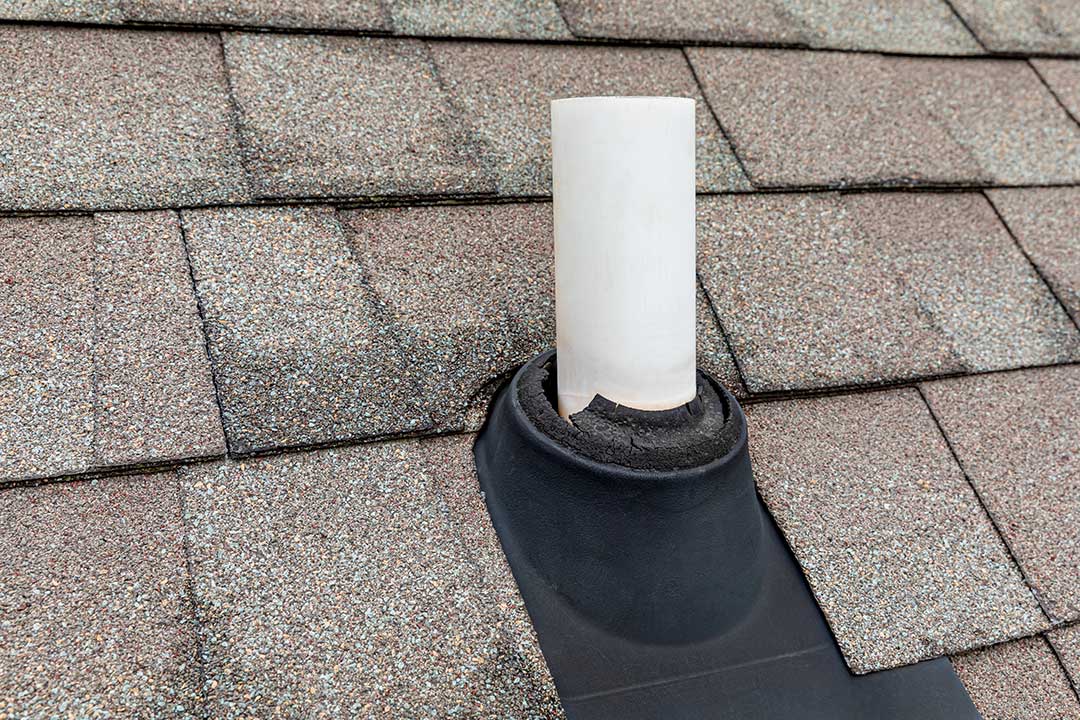
- Regularly replacing cracked vent boots and maintaining tight caulking around all roof penetrations keeps vulnerabilities to a minimum.
- Neglecting small gaps in fascia or under dormer windows allows pests access each season until addressed.
- Ensuring garbage bins and compost are kept sealed and away from the house deters animal activity near rooflines.
What Can Residents Do to Minimize Pest Entry Risks?
Ongoing awareness and timely repairs make a difference in preventing persistent intrusions. Residents often find that inspecting the attic at least twice a year—and after major storm events—helps catch newly formed openings. Clearing gutters and removing nests from soffits discourage both water damage and wildlife residency.
Practical steps for the community include:
- Checking the condition of louvers, ridge caps, and gable vents
- Monitoring exterior wood for signs of rot or chew marks
- Consulting available municipal resources for wildlife information, especially regarding protected species
By maintaining vigilance and promptly addressing minor vulnerabilities, area households can keep their roof spaces free from unwanted pests and avoid more significant repairs down the line.
