
Why Does Rain Sound So Loud on Certain Roofs in Hamilton, NY?
Residents in Hamilton, NY often notice that rainfall sounds much louder in some homes than in others, especially during the region’s frequent spring and autumn downpours. The noise intensity is mainly influenced by the roof material, attic insulation levels, roof structure, and how sound travels through the home. Light metal or flat roofs tend to amplify rain noise, while heavy shingles and insulation can help quiet things down.
Homes in the area with minimal attic insulation or exposed attic cavities will typically hear rainfall more clearly, because sound waves face less resistance as they pass from the roof into living spaces.
What Roofing Materials Are Quietest in the Hamilton Climate?
For those seeking a quieter home during rainstorms, roof material choice makes a significant difference.
- Asphalt Shingles: Widely used in local homes, asphalt shingles provide a good balance of durability and noise dampening. Their layered structure absorbs much of the impact from rain.
- Slate and Wood Shingles: Both offer additional sound absorption and suit the climate in Hamilton, NY, though installation and maintenance requirements can be higher.
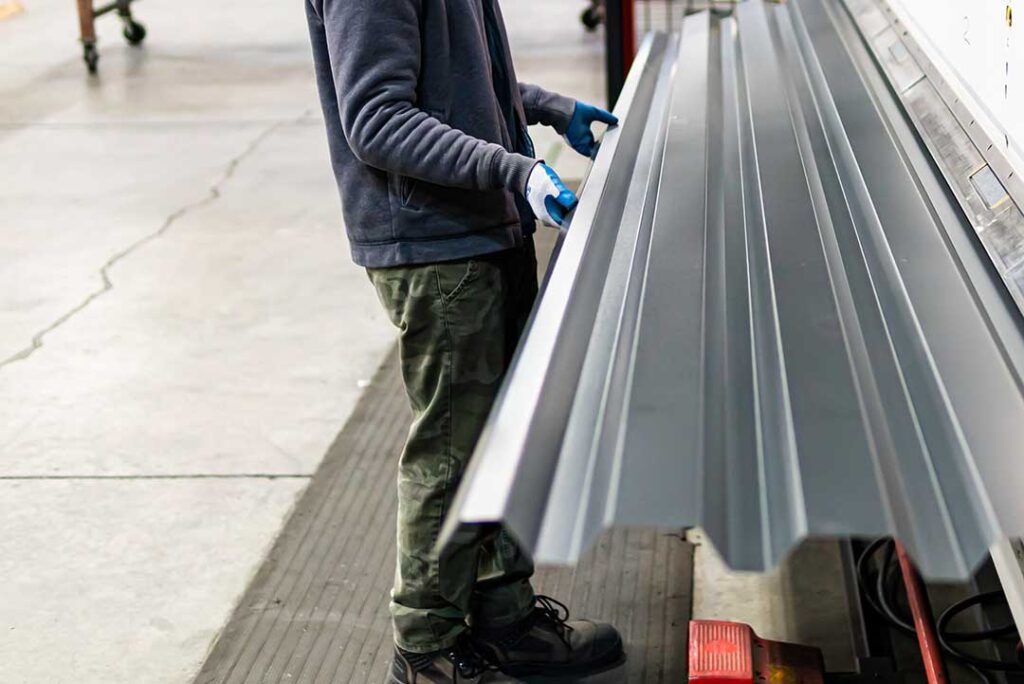
- Metal Roofing: Metal panels (including standing seam and corrugated types) conduct rain impact noise more directly. While popular for their longevity, they are generally much noisier unless paired with sound-reducing strategies.
Community experience suggests that layered, dense roofing materials outperform lightweight or single-layer alternatives in terms of rain noise reduction.
Can Attic Insulation Reduce Rain Noise?
Adding or upgrading attic insulation is one of the most effective ways to dampen rain noise in local homes. Even with a loud roof surface, a well-insulated attic acts as a sound barrier between the outdoors and your living spaces.
- Fiberglass Batts: Commonly installed between trusses, batts help reduce both heat loss and sound transmission.
- Blown-In Insulation: This type fills gaps irregularly shaped by rafters or joists, further improving sound resistance.
- Spray Foam: Provides superior air sealing and noise dampening, though typically costs more than other options.
Proper attic insulation also improves energy efficiency, helping households stay comfortable throughout Hamilton’s cold winters and humid summers.
Are Easy DIY Fixes Possible for Rain Noise?
Small changes can make a noticeable difference without modifying the entire roof. Laying down heavy rugs or adding acoustic panels to ceilings directly below the attic helps soften sound that gets through. Weatherstripping attic entry doors or hatchways blocks air gaps where noise sneaks in.
Some residents place heavy fabric or acoustic foam along attic floorboards. This is a simple, low-cost method that offers moderate improvement, though it won’t silence heavy metal roof drumming.
Do Roof Decks and Underlayments Matter in the Hamilton Area?
Many Hamilton homes built before the 1990s have minimal roof underlayment, which means less protection from outside noise. During replacement or new roof installation, many local homeowners choose to add:
- Roof Decking: Thicker plywood or oriented strand board (OSB) forms a sturdy base that’s less likely to amplify noise.
- Acoustic or Rubberized Underlayment: Specialty sound-dampening membranes added beneath shingles or panels help absorb the force of rain before it reaches the attic.
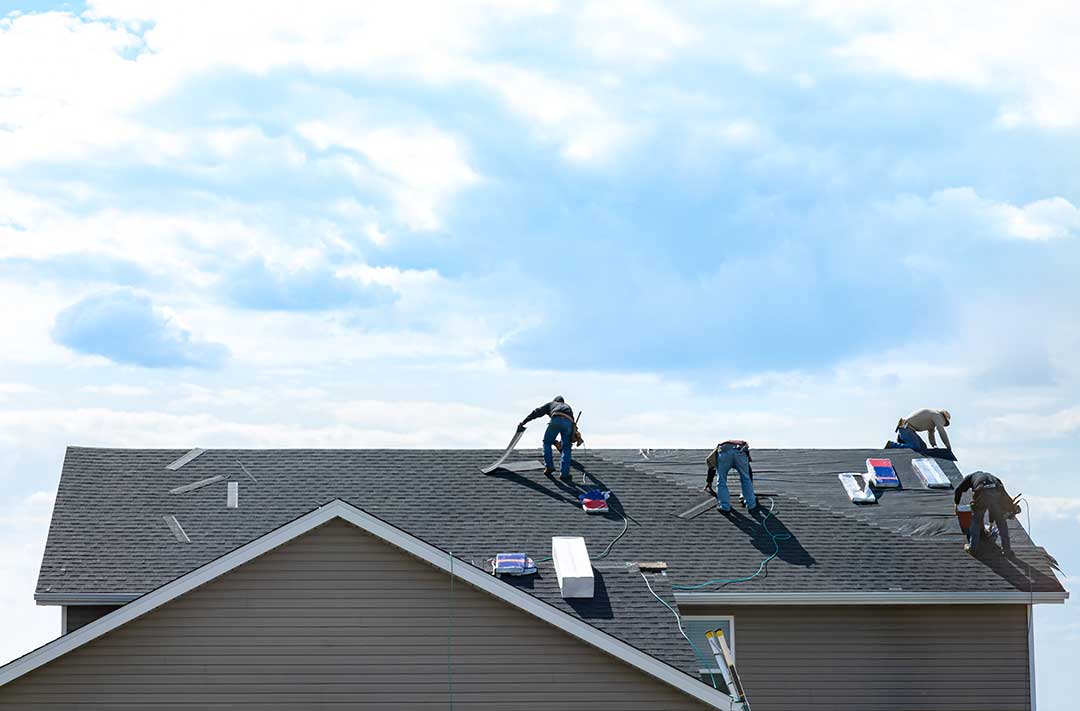
While these upgrades are easiest during major roof work, understanding what’s already present can guide future improvements.
Does Roof Pitch Impact Rain Noise?
The pitch, or steepness, of a roof alters how rain hits and travels across its surface. Flatter roofs tend to produce more pronounced noise, as water pools and drops impact a larger area simultaneously. In Hamilton, NY, many homes utilize steeper pitches to shed snow, but this also helps rainwater run off quickly, dispersing impact noise over a larger area and reducing sharp drumming.
If considering future changes, opting for a slightly steeper pitch may help balance the need for snow protection with sound comfort.
How Do Trees and Landscaping Help Block Rain Noise?
Having mature trees near your home can soften rain noise by intercepting drops before they reach your roof. Shrubs and bushes close to exterior walls also help mute the sound of heavy rain and wind against siding and windows.
However, trees should be trimmed regularly to avoid limbs hanging over the roof, which can worsen noise if large branches drip or rub against shingles during wet, windy weather.
Are Gutter Systems and Roof Accessories a Factor?
Sometimes, the sound of rain is amplified not by the roof itself, but by attached features like gutters or downspouts. Metal gutters, common throughout Hamilton, are especially prone to echoing the sound of steady rain or fast runoff. Ensuring gutters are securely attached and free from clogs allows water to flow smoothly, limiting excessive dripping or splashing noise.
Adding foam inserts to gutters or installing splash guards can further reduce irritating noises, especially on homes with bedrooms directly beneath eaves.
What Are the Most Overlooked Rain Noise Problems?
Local residents sometimes mistake interior noise for roof issues, when in fact wall cavities, vent openings, or window gaps are letting sound in. An often-overlooked factor is the condition of attic access doors, which are a weak point for both sound and heat loss. Ensuring these areas are well-sealed can improve overall quietness during storms.
Additionally, homes with cathedral ceilings and little attic space may have fewer barriers between the roof and the living area, so these designs require special attention to insulation and sound absorption materials at the time of renovation.
