
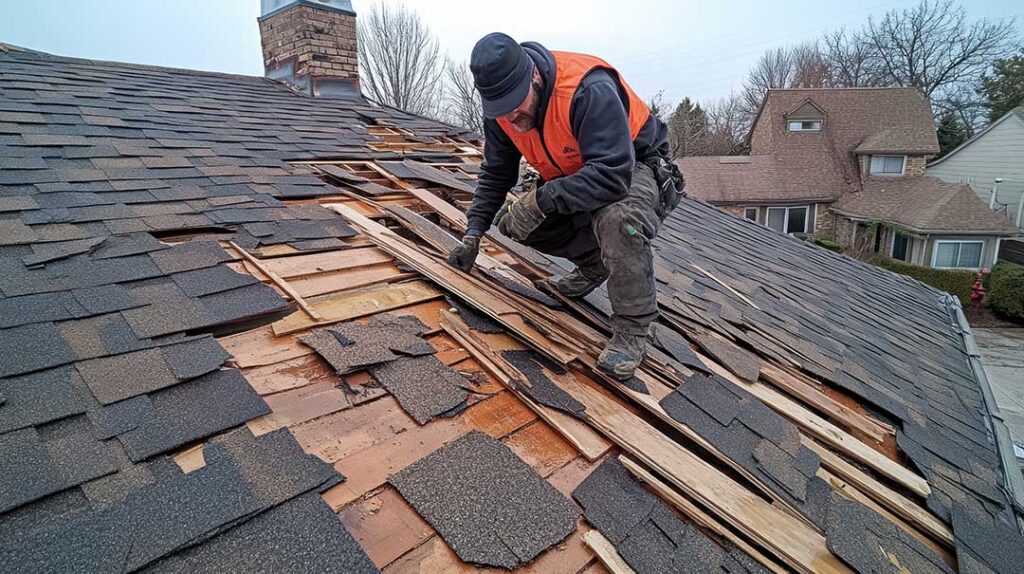
Does homeowners insurance cover roof damage?
Usually, homeowners insurance covers sudden and accidental roof damage caused by a covered event, such as wind, hail, falling trees, fire, or the weight of snow. It generally does not cover gradual deterioration, poor maintenance, defective installation, or a roof that has simply reached the end of its useful life.
The exact answer depends on the policy language, the cause of damage, the roof’s condition, and the type of coverage selected. A roof leak after a severe windstorm may be treated differently from a leak that develops after years of aging shingles.
For households in Hamilton, winter snow, ice, freeze-thaw cycles, strong winds, falling branches, and heavy rainfall can all affect roofing materials. Those conditions make it useful to understand the difference between storm damage and ordinary wear before a problem occurs.
What roof problems are commonly covered?
Insurance is designed primarily for unexpected losses, not routine upkeep. A claim may be considered when a covered event causes identifiable damage to the roof or another part of the home.
Examples can include:
- Wind lifting or tearing shingles
- Hail damaging shingles, flashing, vents, or other roof components
- A tree or large branch striking the roof
- Fire or smoke damage
- Interior water damage resulting from a covered roof opening
- Damage caused by the weight of snow or ice, if the policy includes that peril
Coverage may also extend to related damage inside the house. For example, if a windstorm creates an opening and rain enters through that opening, the policy may cover some resulting interior damage. The insurer may still examine whether the roof was reasonably maintained and whether the loss falls within the policy’s exclusions.
A claim is not automatically approved simply because a leak appeared during bad weather. The cause, timing, and condition of the roof are usually important.
What roof damage is usually excluded?
A standard homeowners policy is not a maintenance agreement. It generally does not pay to replace roofing that has deteriorated gradually or failed because of age.
Common exclusions or limitations may involve:
- Normal wear and tear
- Long-term leaks
- Rot, mold, or deterioration caused by repeated moisture
- Insect or animal damage
- Poor workmanship or defective materials
- Damage that existed before the policy began
- Neglect or failure to take reasonable steps to prevent further damage
For instance, if shingles have become brittle over many years and water slowly enters around worn areas, the insurer may determine that the underlying cause is deterioration rather than a covered storm event.
Policies may also provide different treatment for older roofs. Some cover replacement cost, while others pay only the roof’s actual cash value after depreciation. That difference can substantially change the amount paid for an older roof.
How do actual cash value and replacement cost differ?
Actual cash value coverage subtracts depreciation based on the roof’s age and condition. Replacement cost coverage is intended to pay the cost of replacing damaged property with materials of similar kind and quality, subject to the policy terms and deductible.
A simplified example:
- A roof replacement costs $18,000.
- The policy deductible is $2,000.
- If the roof is covered on a replacement cost basis, the final payment may be based largely on the replacement cost minus the deductible, subject to policy requirements.
- If the roof is covered on an actual cash value basis, depreciation may be deducted before the deductible is applied.
The declarations page may not explain every roof limitation. The policy’s coverage forms, endorsements, exclusions, and settlement provisions may contain the details. Homeowners should look specifically for terms such as “replacement cost,” “actual cash value,” “roof surfacing,” “wind,” “hail,” and “wear and tear.”
What deductibles could apply to a roof claim?
Most policies have a standard dollar deductible. Some policies also include separate windstorm or other special deductibles.
A standard deductible might be a fixed amount, such as $1,000 or $2,500. A wind deductible may be calculated as a percentage of the dwelling’s insured value. A percentage deductible can be much larger than a typical fixed deductible.
For example, a 2% deductible on a dwelling insured for $300,000 would equal $6,000. That amount could apply before insurance pays for an otherwise covered wind-related loss.
Review the declarations page for:
- The standard deductible
- Any windstorm or named-storm deductible
- Whether the deductible applies to the dwelling, the loss, or another stated amount
- Special rules for hail, wind, or other weather-related damage
A claim that is only slightly higher than the deductible may not provide enough financial benefit to justify filing, although the decision should be based on the policy and the facts of the loss.
What should you do after a storm damages the roof?
Safety comes first. Do not climb onto a steep, icy, wet, or visibly unstable roof. From the ground or from a safe interior location, document what can be seen.
Useful steps include:
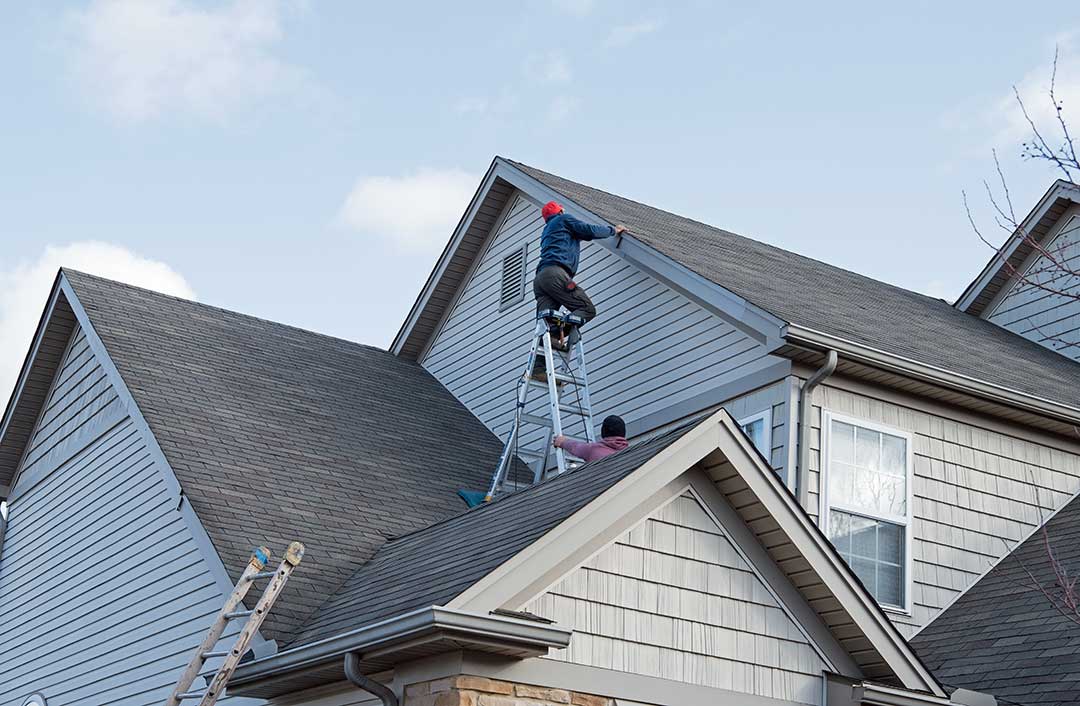
- Take photographs and video of visible damage
- Record the date and approximate time of the storm
- Look for fallen branches, missing shingles, damaged flashing, or exposed roof decking
- Place containers under active interior leaks
- Move furniture and belongings away from water
- Keep receipts for emergency materials or temporary protective measures
- Notify the insurer promptly according to the policy’s reporting instructions
- Prevent additional damage when reasonably safe, without making permanent repairs before documentation
Temporary measures, such as covering an opening to keep out rain, may be appropriate after a storm. Keep photographs of the damage before and after temporary protection, and save receipts for materials or emergency work.
Do not discard damaged materials until the insurer has had a reasonable opportunity to inspect them, unless they create a health or safety hazard.
Can an insurer deny a claim because the roof is old?
An old roof is not automatically excluded from every type of coverage, but age can affect both eligibility and claim payment. An insurer may investigate whether the roof was already deteriorated before the reported event and whether the storm caused distinct, new damage.
Older roofs may also be subject to actual cash value settlement, special exclusions, inspection requirements, or policy conditions. These terms vary, so the roof’s age should be reviewed when buying or renewing coverage.
A roof inspection report, repair records, permits where applicable, photographs, and receipts can help establish the roof’s condition before a loss. Keeping these records does not guarantee coverage, but it can make the facts easier to verify.
Does homeowners insurance cover flood water or ice dam damage?
Standard homeowners insurance generally does not cover flood damage. Flood coverage is usually separate, and water entering from outside at ground level may be treated differently from rain entering through a storm-created opening in the roof.
Ice dam coverage varies by policy. Some policies may cover resulting interior water damage when a covered cause is involved, while others may limit or exclude certain forms of seepage, repeated leakage, or maintenance-related damage.
Because winter conditions can produce several overlapping causes, read the policy language carefully and ask the insurer how it treats ice dams, roof leaks, water backup, freezing pipes, and snow-related losses.
How can roof records help with insurance?
A simple property file can be useful. Keep:
- The approximate installation date of the roof
- Invoices and receipts for repairs or replacement
- Photos showing the roof before severe weather
- Inspection reports
- Records of leaks and corrective work
- Information about improvements such as reinforced roof connections or impact-resistant materials
A newer roof or certain risk-reduction improvements may qualify for an insurance discount, depending on the insurer and the policy. Any discount should be confirmed before assuming that a project will reduce premiums.
Review coverage at least once a year and after major improvements. The dwelling limit should reflect the estimated cost to rebuild, not simply the home’s market value or tax assessment. Also confirm whether the policy includes adequate coverage for detached structures, personal belongings, additional living expenses, and liability.
What if the insurer and homeowner disagree?
Start by asking for the decision and the specific policy language in writing. Request an explanation of whether the issue involves the cause of loss, the deductible, depreciation, an exclusion, or insufficient documentation.
Keep copies of photographs, estimates, correspondence, inspection reports, and claim numbers. If a disagreement remains, New York homeowners can seek information from the state insurance regulator about claim procedures, complaints, appraisals, and policy questions. For serious or complex disputes, legal advice may also be appropriate.
Understanding the policy before a storm occurs is usually easier than trying to interpret it while water is entering the house. The most useful documents are the declarations page, coverage forms, endorsements, deductible provisions, and any roof-related notices issued by the insurer.
