
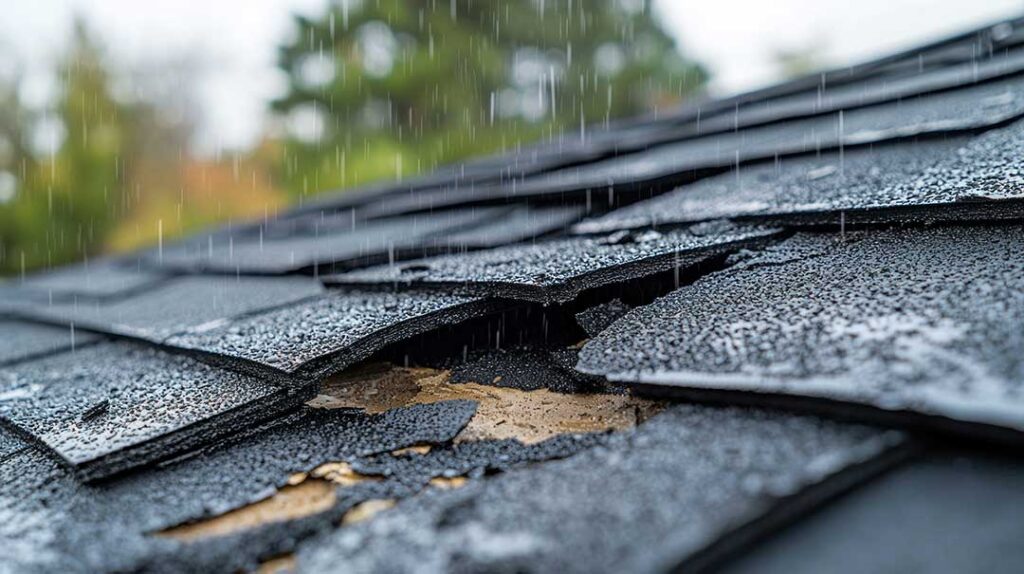
A new roof can reduce indoor allergens when it stops moisture intrusion, limits mold-friendly conditions, and improves the building envelope around the attic. It does not remove dust, pollen, or pet dander by itself, but a sound roof can prevent some of the conditions that allow indoor air quality problems to develop.
For households in Hamilton, NY, this matters because roofs are exposed to snow, ice, spring rain, summer humidity, and repeated freeze-thaw cycles. Over time, those conditions can contribute to small leaks, damp insulation, blocked ventilation, and hidden moisture above living spaces.
How can a new roof reduce allergens indoors?
A properly installed roof helps keep water out of the attic and upper portions of the home. Less unwanted moisture means fewer opportunities for mold to grow on roof sheathing, insulation, framing, drywall, and stored materials.
Roof replacement may also correct related problems, such as:
- Damaged flashing around chimneys, vents, and roof edges
- Missing or deteriorated shingles
- Sagging areas where water may collect
- Poorly sealed roof penetrations
- Inadequate attic ventilation
- Wet or compressed insulation
- Openings that allow outdoor air and debris into the attic
These improvements can reduce the amount of mold spores, musty odors, and contaminated dust that move from the attic into the living space.
The effect is greatest when the roof replacement is combined with moisture cleanup and proper attic maintenance. Installing new shingles over existing problems will not solve hidden mold, wet insulation, or damaged structural materials.
Why does roof moisture affect indoor air quality?
Moisture is one of the main factors that allows mold to grow. A roof leak may begin as a small stain or occasional drip, but damp materials can remain wet long after the visible leak stops.
Air movement can carry particles from an attic into the rest of a house through:
- Recessed light fixtures that are not sealed
- Attic access panels
- Gaps around plumbing and electrical penetrations
- Open wall cavities
- HVAC equipment or ductwork located near contaminated materials
- Unsealed ceiling joints
Mold spores are naturally present outdoors and indoors, so their presence alone does not prove that a home has a serious problem. The concern increases when moisture allows mold colonies to grow. A musty odor, recurring ceiling discoloration, damp insulation, or visible growth in the attic deserves attention.
Can a roof replacement help with pollen and outdoor allergens?
A new roof may reduce some pathways for outdoor allergens, but it will not make a home pollen-free. Pollen usually enters through open doors and windows, clothing, pets, outdoor air leaks, and mechanical ventilation systems.
Roof work can still help indirectly by improving the boundary between the attic and the living area. If the old roof has caused wet insulation, gaps, or damaged ceiling materials, replacing the roof and repairing associated air leaks may reduce the movement of dusty attic air.
Roof ventilation also plays a role. Proper intake and exhaust ventilation can help control attic heat and moisture. However, ventilation openings should be designed to keep out rain, snow, insects, and windblown debris. More vents are not automatically better; their placement and balance matter.
What signs suggest that the roof may be contributing to allergy problems?
Indoor allergy symptoms have many possible causes, so a roof should not be assumed to be the source. Still, certain building conditions point toward a moisture-related concern:
- Symptoms or odors are stronger on the upper floor
- A room develops a musty smell after rain or snow
- Ceiling stains appear near exterior walls, chimneys, or roof penetrations
- Insulation feels damp, clumped, or unusually cold
- Paint or drywall bubbles, flakes, or discolors
- Mold appears on attic sheathing or around roof framing
- The roof has missing shingles, exposed underlayment, or damaged flashing
- Ice buildup at the eaves has been followed by interior staining
A recurring leak can be difficult to trace because water may travel along rafters or insulation before appearing inside. The visible stain may not be directly below the roof defect.
Does a new roof remove existing mold?
No. A new roof prevents future water entry only if the underlying cause is corrected, but it does not remove mold that is already present.
Before or during roof replacement, damp insulation and visibly damaged porous materials may need to be removed. Wood framing and sheathing require careful assessment. Moldy materials should not simply be covered with new insulation or enclosed behind finished surfaces.
Small areas of surface growth may have a different cleaning approach from extensive contamination. Disturbing larger areas can spread spores, and work involving substantial mold growth, damaged structural materials, or contaminated HVAC components may require specialized safety measures.
What should be checked inside the attic after roofing work?
The attic should be checked for more than a new layer of shingles. Useful inspection points include:
- Signs of active or previous leaks
- Dampness in insulation or roof sheathing
- Water stains around flashing and roof penetrations
- Blocked soffit or ridge ventilation
- Exhaust fans terminating in the attic instead of outdoors
- Unsealed gaps around wiring, pipes, and light fixtures
- Evidence of rodents, birds, or insect activity
- Dust and debris that could enter the living area
Bathroom and kitchen exhaust fans deserve particular attention. If they discharge into the attic, they can add substantial moisture even when the roof itself is watertight. That moisture can contribute to condensation and mold growth during cold weather.
How does Hamilton’s seasonal weather affect roof-related allergens?
The local climate creates several repeating stressors for roofs and attics. Snow and ice can conceal damage during winter. Freeze-thaw cycles can widen cracks and strain flashing. Spring rain can expose weak points, while summer humidity can increase attic condensation if airflow is poor.
These conditions make seasonal observation useful. After major storms, residents may notice loose roofing materials, fallen branches, new ceiling stains, or damp attic insulation. During cold weather, heavy frost or widespread condensation on the underside of the roof sheathing can indicate an attic moisture problem rather than a simple roofing failure.
Keeping gutters, roof drainage paths, and ventilation openings clear can also reduce moisture pressure around the roof system.
What other steps help reduce indoor allergens after a roof replacement?
Roof replacement works best as part of a broader moisture and dust-control plan. Helpful measures include:
- Removing water-damaged materials instead of covering them
- Sealing attic air leaks around penetrations and access openings
- Replacing contaminated or deteriorated insulation when necessary
- Using exhaust fans that vent outdoors
- Keeping indoor humidity at a moderate level
- Changing HVAC filters according to household conditions
- Cleaning settled construction dust with a HEPA-filtered vacuum
- Washing bedding and controlling pet dander
- Keeping windows closed during periods of heavy outdoor pollen
- Repairing plumbing or foundation moisture problems that may be unrelated to the roof
A new roof can be a meaningful part of improving indoor air quality, especially when moisture damage is involved. Its benefit comes from creating a drier, better-sealed, better-ventilated building—not from the roofing material alone.
