
What are roof eaves?
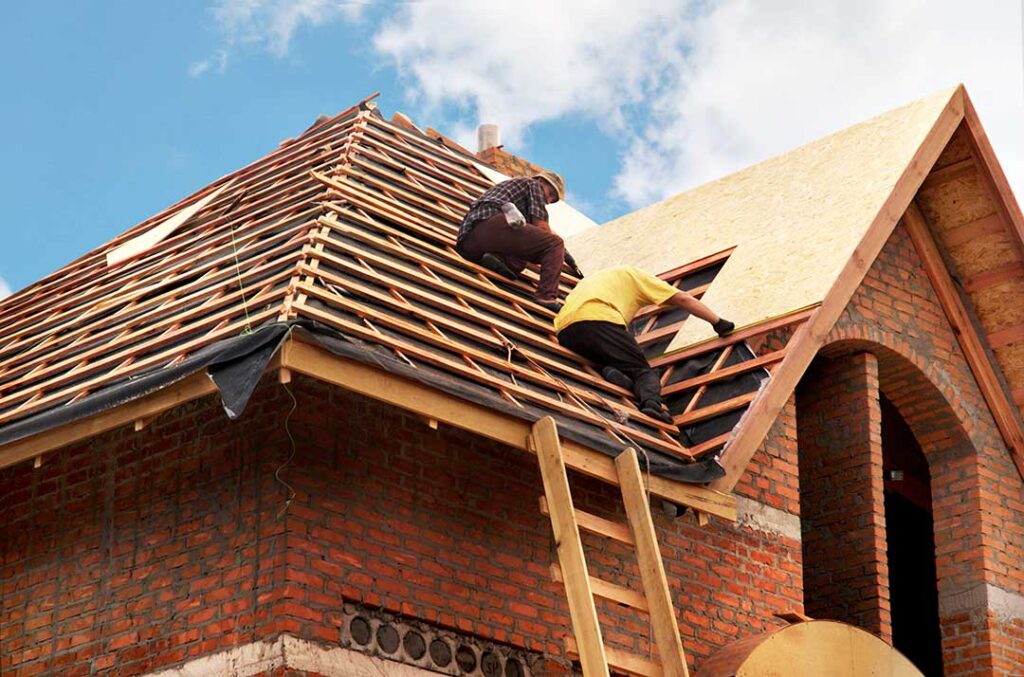
Roof eaves are the lower edges of a sloped roof that extend beyond the exterior walls. They form the transition between the roof surface and the wall below, often incorporating the fascia, soffit, gutters, and related flashing.
Although eaves may look like a simple architectural overhang, they perform several practical jobs. They help move water away from walls and foundations, shade upper portions of the building, protect exterior finishes, and support airflow through the attic or roof assembly.
A roof with properly designed eaves is better prepared for rain, snow, wind, and seasonal temperature changes. In Hamilton, NY, that matters because roofs must handle wet weather, freeze-thaw cycles, and periods of snow and ice.
How do eaves keep water away from a house?
The main drainage function of an eave is to move water beyond the wall line. Rainwater runs down the roof covering and reaches the lower edge, where it either falls clear of the building or enters a gutter system.
Without enough overhang, water can run directly down siding, masonry, trim, or window areas. Over time, repeated wetting can contribute to:
- Peeling paint or deteriorated siding
- Staining beneath the roof edge
- Rot in wood trim and wall components
- Moisture entry around windows and doors
- Soil erosion near the foundation
- Saturated ground next to basement walls
Gutters collect water at the eaves and direct it toward downspouts. However, gutters do not replace the protective value of the overhang. The eave still helps shield the upper wall and provides a margin of protection if water spills over the gutter during heavy rain or blockage.
Water should not be allowed to drain behind the gutter or onto the fascia. Correct roof-edge flashing, a properly aligned gutter, and a sound drip edge work together to guide water into the drainage system.
What is the difference between an eave, soffit, and fascia?
These terms describe related but different parts of the roof edge.
The eave is the overall lower roof edge, including the overhang beyond the wall.
The soffit is the horizontal or sloped underside of that overhang. It may be solid or perforated. Vented soffits allow outdoor air to enter the attic or a designed ventilation channel.
The fascia is the vertical trim board along the outer edge of the roof. Gutters are commonly attached to or supported near the fascia.
The drip edge is a metal flashing component installed along the roof perimeter. It helps direct water away from the roof deck and fascia while reducing the chance that water will run backward beneath the roof covering.
Problems at one part of the assembly can affect the others. For example, a damaged fascia may weaken gutter support, while blocked soffit vents can interfere with attic airflow.
Why are soffit vents important?
Soffit vents provide a low intake point for attic ventilation. In a traditionally vented attic, air enters near the eaves and moves upward toward ridge, gable, or other exhaust vents.
This airflow can help remove moisture and reduce excessive heat in the attic. It also helps keep the underside of the roof more evenly exposed to outdoor temperatures during winter.
A common mistake is covering soffit vents with insulation. This blocks the intended airflow and can contribute to moisture accumulation or uneven roof temperatures. Insulation should remain on the attic floor where appropriate, while ventilation channels at the eaves should remain open.
Venting alone does not solve every attic problem. Air leaks from the living space, insufficient insulation, bathroom exhaust discharged into the attic, and high indoor humidity can all introduce moisture. A properly functioning roof assembly depends on air sealing, insulation, and ventilation working together.
How do eaves affect ice dams?
Eaves are the area where ice dams most commonly develop because the roof edge is usually colder than the section over the heated part of the building.
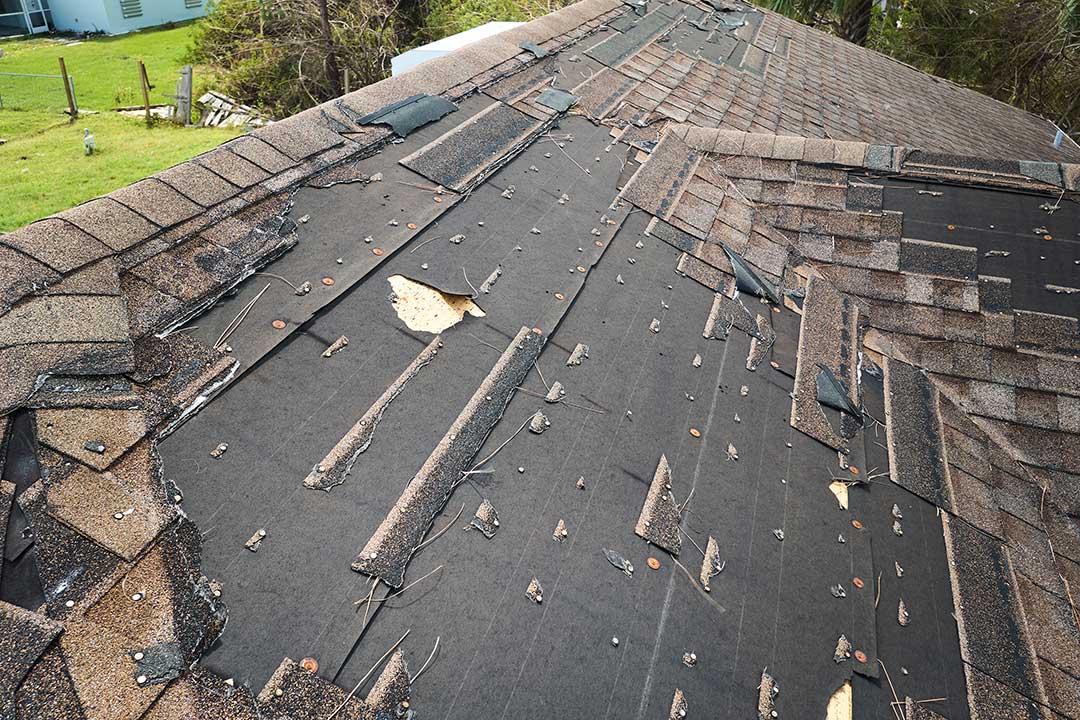
An ice dam forms when snow melts on a warmer portion of the roof and the water refreezes near the colder eave. As ice accumulates, later meltwater may be held against the roof covering. That water can sometimes work beneath shingles or enter around roof-edge details.
Signs of possible ice-dam activity include:
- Thick bands of ice along the gutter or roof edge
- Large icicles accompanied by ice buildup
- Water stains on ceilings or upper walls
- Damp insulation near exterior walls
- Repeated leaks during winter thaws
Good attic insulation and air sealing reduce heat moving into the roof assembly. Clear soffit ventilation can help maintain a more consistent roof temperature. Roof-edge underlayment designed for water protection may provide an additional layer of defense, but it does not correct major heat loss or blocked ventilation.
Removing ice with improvised tools can damage shingles, flashing, gutters, and the roof deck. Heavy ice can also fall unexpectedly, creating a hazard near entrances and walkways.
Do larger eaves always protect a house better?
Not necessarily. A wider overhang can provide more shade and help keep rain away from walls, but its performance depends on design, structure, drainage, and exposure.
Oversized or poorly supported eaves may be more vulnerable to wind uplift. In areas that receive substantial snow, drifting snow can accumulate against the roof edge or soffit. The eave also needs adequate framing and secure connections to the roof and wall structure.
The best roof edge is not simply the deepest one. It is an overhang that suits the roof pitch, building design, local weather, drainage layout, and structural requirements.
What should residents check at the roof edge?
A ground-level inspection can identify many warning signs without climbing onto the roof. Look for:
- Sagging or detached gutters
- Rusted, bent, or missing drip edge
- Water marks beneath the eaves
- Peeling paint or soft wood on fascia and trim
- Cracked or loose soffit panels
- Pest openings near the attic edge
- Leaves, nests, or insulation blocking soffit vents
- Staining on exterior walls below the roofline
- Downspouts discharging too close to the foundation
After storms, check whether gutters remain attached and whether branches have damaged the roof edge. In winter, watch for leaks or unusual interior moisture during periods of thawing snow.
A roof-edge issue may involve more than one component. A gutter that appears to be leaking could actually be receiving water from damaged shingles, missing flashing, or a deteriorated fascia board.
When does an eave problem require immediate attention?
Prompt attention is justified when water is entering the living space, structural wood is visibly sagging, a large section of soffit has detached, or ice is threatening entrances, walkways, or overhead utility areas.
Electrical fixtures near wet soffits should be treated cautiously. Structural damage, unstable ladders, steep roofs, and active ice buildup also create conditions that are not suitable for routine homeowner inspection.
For ordinary maintenance, keeping gutters clear, preserving open soffit ventilation, and observing changes after heavy weather can help reveal problems before they spread into walls, insulation, or the roof structure.
