

Roof damage rarely happens at a convenient time. A windstorm can lift shingles, a fallen branch can puncture a roof, or melting snow can expose a leak that was not visible during winter. In Hamilton, NY, changing seasons and freeze-thaw conditions make it especially useful to know what to do during the first few hours after damage occurs.
The immediate priorities are safety, limiting water entry, documenting the condition, and arranging a proper inspection when hazardous work is involved.
What should be done first after roof damage?
Start by protecting people inside the home, then identify whether water is entering the living space. Do not climb onto the roof or enter areas affected by electrical hazards.
If a storm has just passed, wait until lightning, high winds, and falling branches have stopped. From the ground or from a window, look for visible damage such as:
- Missing or lifted shingles
- A sagging roofline
- Punctures from branches or other debris
- Torn flashing around chimneys, vents, or roof edges
- Water stains or active dripping indoors
- Loose gutters or sections of roofing material in the yard
If the ceiling is bulging from trapped water, place a bucket underneath if it is safe to do so. A bulge can sometimes be carefully relieved from below by someone who understands the risk, but standing beneath a heavily saturated ceiling can be dangerous. Keep children and pets away from the area.
Is it safe to inspect or cover the roof yourself?
Usually, no. A wet, icy, steep, or damaged roof is a fall hazard, and emergency conditions can make hidden structural problems difficult to see. Snow and ice add weight, while wind can leave roofing materials unstable even after the weather appears calmer.
Avoid climbing onto the roof if:
- The surface is wet, icy, or covered with snow
- Power lines or electrical equipment may be involved
- The roof is sagging
- Large branches remain on the structure
- The damage is near an unstable chimney or masonry feature
- You cannot safely reach the area using proper fall protection
A temporary covering should only be installed from a safe position and by someone equipped to do the work without taking unnecessary risks. A tarp that is poorly secured can tear loose, allow more water underneath, or create additional damage to shingles and flashing.
How can water intrusion be limited temporarily?
The safest short-term approach is to control water from inside the home while avoiding roof access. Move furniture, electronics, rugs, and other belongings away from the affected area. Use containers to catch dripping water, and place plastic sheeting over items that cannot be moved.
If water is near light fixtures, outlets, appliances, or wiring, avoid touching the area. Turn off power to the affected circuit only if the electrical panel and surrounding floor are dry and accessible. If there is any uncertainty, leave the area and seek urgent electrical assistance.
Do not rely on indoor actions as a permanent repair. A ceiling stain may appear small while water is spreading through insulation, framing, or wall cavities. Moisture that remains hidden can contribute to mold growth and deterioration of wood materials.
What emergency roof problems require urgent attention?
Some conditions should be treated as more than a minor leak. Prompt attention is warranted when:
- Water is entering multiple rooms
- The ceiling or roof deck is sagging
- A large portion of shingles has blown away
- A tree or heavy limb has struck the roof
- Daylight is visible through the attic or upper ceiling
- Water is reaching electrical components
- A chimney, vent, or roof edge has separated
- Snow or ice appears to be causing structural stress
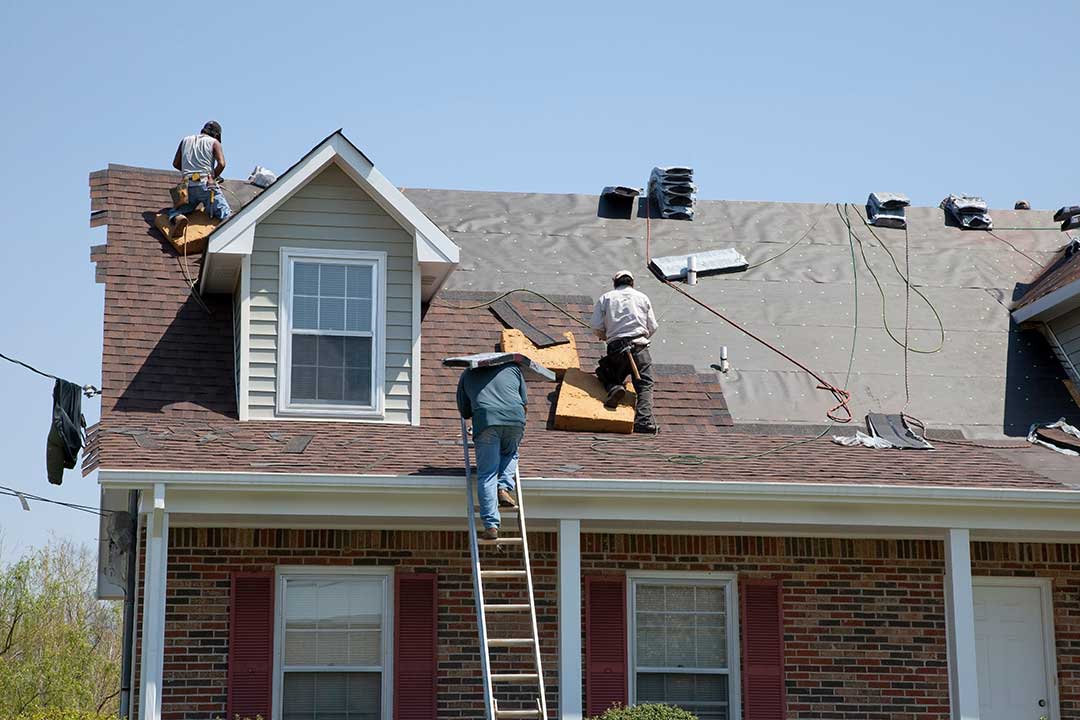
A small isolated drip after light rain may not indicate immediate structural failure, but it still deserves investigation. Roof leaks can travel along rafters and decking, meaning the indoor stain may not be directly below the outdoor opening.
What should homeowners document for insurance or records?
Take photographs and video from safe locations before moving damaged materials, if conditions permit. Capture both close-up details and wider views that show where the damage is located.
Useful records may include:
- The date and approximate time the damage was noticed
- Weather conditions, such as strong wind, heavy rain, hail, or wet snow
- Photos of interior stains, dripping water, and damaged belongings
- Photos of fallen branches or roofing materials on the ground
- Notes about temporary steps taken to limit further damage
- Receipts for emergency materials or cleanup
Avoid making permanent repairs before the damage is documented unless immediate action is needed to protect the home from continuing water entry. Keep damaged materials when practical, since they may help establish what occurred.
How do Hamilton’s seasonal conditions affect emergency roof repairs?
The local climate can create several different kinds of roofing emergencies throughout the year. Winter snow and ice can conceal damaged shingles and add weight to the roof system. Ice dams may form near colder roof edges, allowing meltwater to back up beneath shingles and enter at ceilings or exterior walls.
Spring often reveals problems caused by repeated freezing and thawing. Flashing may loosen, sealants may crack, and small openings can become active leaks during heavy rain.
Summer thunderstorms can produce strong wind, falling limbs, and sudden rainfall. Autumn brings leaves and debris that can collect in valleys, gutters, and drainage points. These conditions can slow drying and make an otherwise minor opening more vulnerable during the next storm.
Because weather can change quickly, temporary repairs should be checked after the next period of wind or rain. A covering that appears secure in calm weather may not remain effective during a later storm.
Can a roof leak wait until the weather improves?
Sometimes, but the decision depends on the amount of water entering and the condition of the structure. If a leak is limited, contained, and far from electrical components, waiting for safer weather may reduce the risk of a fall. If water is spreading, the ceiling is sagging, or structural damage is suspected, delay can make the problem worse.
Do not use roofing cement, expanding foam, or household tape as a substitute for a proper repair. These materials may hide the location of the leak, trap moisture, or complicate later work. Emergency measures should stabilize the situation, not conceal damage.
What should happen after the immediate emergency?
Once the home is safe and further water entry is limited, the roof and attic should be inspected for both visible and hidden damage. The inspection should include shingles, underlayment, flashing, roof decking, ventilation areas, gutters, and nearby interior surfaces.
If insulation is wet, it may need to be dried or removed depending on the material and how long it remained damp. Wet drywall, wood framing, and stored belongings should also be checked for continued moisture.
A roof repair is not complete simply because dripping has stopped. The source of the water should be identified, damaged materials should be replaced where necessary, and the surrounding area should be checked for secondary problems. In homes exposed to snow, ice, and repeated temperature changes, a careful repair also helps prevent the same opening from becoming an emergency again.
