
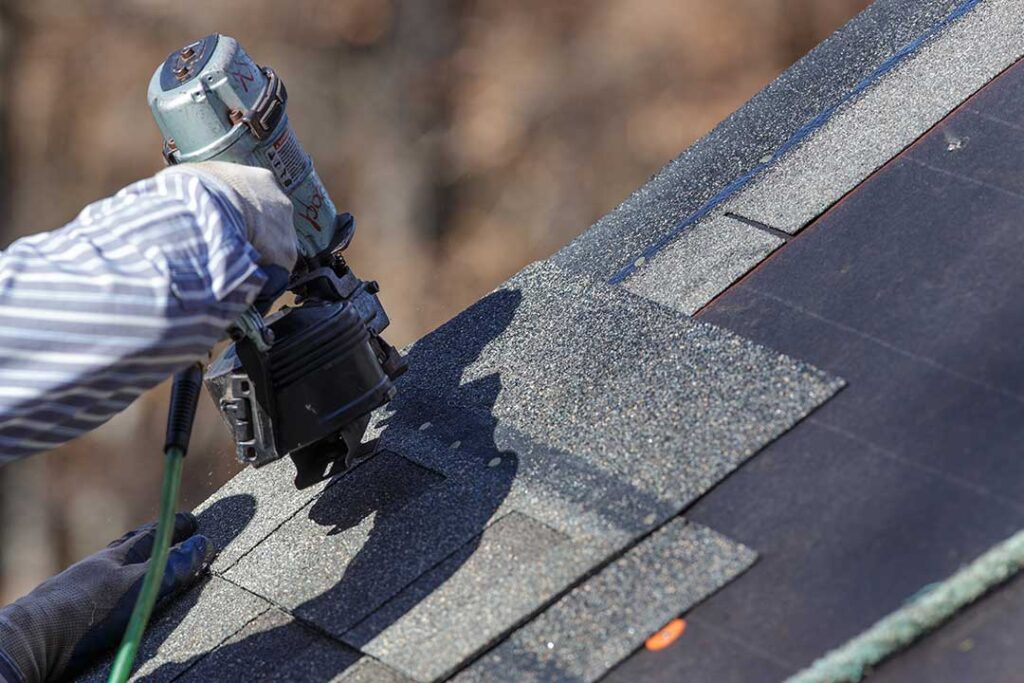
Weather affects a roof gradually and sometimes suddenly. In Hamilton, NY, repeated snow, freezing temperatures, thawing cycles, heavy rain, wind, and summer humidity can all weaken roofing materials or expose small problems that were easy to miss.
A roof does more than shed water. It also manages heat, ventilation, snow loads, ice movement, and drainage. Understanding how each type of weather affects these systems makes it easier to recognize problems early.
How does winter weather affect a roof?
Winter weather can stress a roof through weight, temperature changes, trapped moisture, and ice formation. Snow itself is not automatically dangerous, but heavy or wet snow adds considerable weight, especially when it accumulates over several storms.
Cold conditions can also make roofing materials less flexible. Shingles may become brittle, sealants can lose elasticity, and small cracks around flashing or roof penetrations may widen as materials contract.
The most common winter concerns include:
- Snow accumulation on low-slope areas, porch roofs, and roof sections sheltered from wind
- Ice dams along eaves
- Frozen or blocked gutters and downspouts
- Wind-driven snow entering beneath damaged shingles or flashing
- Moisture condensing in poorly ventilated attic spaces
- Falling branches from trees weakened by snow or ice
Roof shape matters. A steep roof may shed snow more readily, while a complex roof with valleys, dormers, and lower sections can collect snow and ice in specific areas. Older homes may also have roof framing that was designed under different construction standards or has been affected by years of moisture exposure.
Why are freeze-thaw cycles hard on roofing materials?
Freeze-thaw cycles can cause damage even when snow totals are modest. Water enters small openings, freezes, expands, and places pressure on surrounding materials. When temperatures rise, the ice melts and allows water to travel farther into the roofing system.
This process can affect:
- Cracked or aging shingles
- Mortar and masonry near roof edges
- Metal flashing
- Vent pipes and collars
- Sealants around chimneys, skylights, and roof penetrations
- Wood exposed through damaged eaves or trim
Repeated freezing and thawing can turn a minor defect into a leak. The first visible sign may appear indoors as a ceiling stain, but the actual entry point can be several feet away because water often travels along roof decking, rafters, or insulation.
What causes ice dams, and are they only a gutter problem?
Ice dams form when heat escaping from the living space warms part of the roof, while the colder eaves remain below freezing. Snow melts higher on the roof, flows downward, and refreezes near the edge. The resulting ice can block drainage and allow water to move beneath shingles.
Gutters can make the situation worse when they are clogged, frozen, or filled with compacted debris, but ice dams are usually connected to the relationship between attic insulation, air sealing, roof temperature, and outdoor conditions.
Common warning signs include:
- Thick ridges of ice along roof edges
- Icicles accompanied by water stains or damp trim
- Snow melting in patches on an otherwise snow-covered roof
- Moisture in the attic after a cold-weather storm
- Peeling paint or damaged plaster near exterior walls
Removing ice with sharp tools can damage shingles and create a more serious problem. Roof-edge heating products also do not correct underlying ventilation or insulation issues and should not be used without considering electrical and fire safety.
How does heavy rain affect a roof?
Rain tests every part of a roof’s drainage system. Shingles may shed water effectively, but leaks can still develop around valleys, chimneys, vents, skylights, wall intersections, and areas where different roofing materials meet.
In the local climate, spring rain and summer thunderstorms can produce fast runoff. If gutters or downspouts are blocked, water may overflow against fascia boards, siding, foundation walls, or roof edges.
Heavy rain can reveal:
- Missing, lifted, or cracked shingles
- Loose flashing
- Failed sealant
- Sagging roof decking
- Blocked valleys
- Gutters that are undersized, poorly sloped, or pulling away from the structure
A roof does not need to be visibly old to leak. One windstorm, fallen branch, or damaged flashing joint may create an opening that becomes noticeable only during the next sustained rainfall.
Can wind damage a roof without removing shingles?
Yes. Wind can loosen shingle edges, disturb flashing, lift ridge caps, and create openings that are difficult to see from the ground. High winds are especially concerning where shingles have lost flexibility or where previous repairs were incomplete.
Wind damage may appear as:
- Shingles that are raised, curled, or missing
- Exposed underlayment
- Bent metal flashing
- Loose chimney or vent coverings
- Debris lodged in valleys or gutters
- Fresh water stains after a wind event
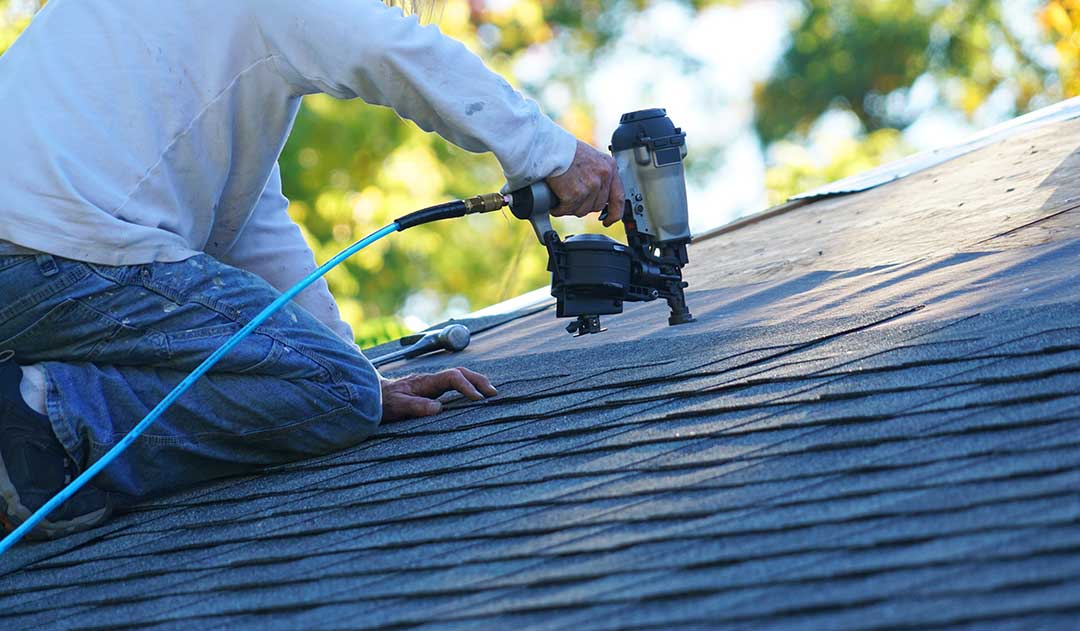
A few missing shingles may seem minor, but exposed roofing layers can deteriorate quickly under sunlight, rain, and repeated temperature changes. Wind can also move branches against the roof surface, causing punctures or abrasion.
How does summer heat affect roofing?
Summer heat causes roofing materials to expand, while cooler nights make them contract. Repeated movement can stress fasteners, seams, flashing, and sealants. Dark roof surfaces can become much hotter than the surrounding air, especially on sunny days.
Heat-related wear may include:
- Shingle blistering or surface granule loss
- Dried or cracked sealants
- Warped plastic components
- Deteriorated rubber pipe collars
- Excessive attic temperatures
- Premature aging of roof decking and insulation
Adequate attic ventilation helps remove heat and moisture, but ventilation is not a substitute for proper insulation and air sealing. An attic that is too warm in summer and damp in winter may indicate that the roof assembly is not managing airflow correctly.
What should Hamilton residents check after severe weather?
A ground-level inspection after a storm can identify warning signs without creating fall hazards. Look for missing shingles in the yard, pieces of flashing, displaced gutters, damaged tree limbs, and water stains on ceilings or upper walls.
Inside the attic, if it can be reached safely, check for:
- Damp insulation
- Darkened wood
- Dripping or recently wet areas
- Daylight visible through the roof
- Condensation around nails or metal fasteners
- Musty odors
Do not climb onto a wet, icy, or snow-covered roof. Roof surfaces can remain hazardous even after the weather appears calm. Electrical lines, unstable branches, and hidden ice near eaves create additional risks.
Which roof problems require prompt attention?
Active leaking, sagging roof areas, large accumulations of snow, exposed decking, or damage near electrical equipment deserve prompt evaluation because they can affect structural components and interior safety.
Less urgent signs—such as isolated granule loss, minor moss growth, or an aging but currently dry roof—still deserve monitoring. Keeping records of stains, storm dates, repairs, and recurring problem areas can help distinguish a new weather event from long-term deterioration.
Weather does not damage every roof in the same way. Roof age, slope, material, attic conditions, tree coverage, drainage design, and previous repairs all influence how a home responds to snow, rain, wind, and temperature changes. Regular visual checks, clear gutters, safe attic conditions, and early attention to small leaks can reduce the chance that seasonal weather turns a limited defect into widespread damage.
