
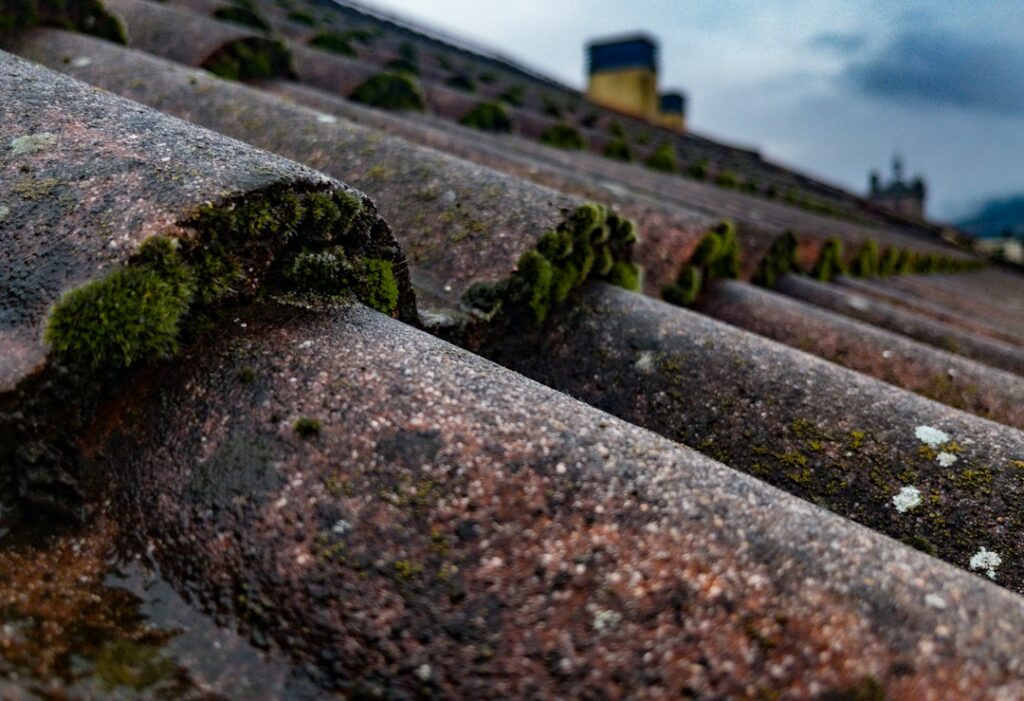
Roof discoloration is easy to dismiss, especially after a long winter or a wet spring. In Hamilton, NY, moisture from snow, rain, shade, and seasonal humidity can create conditions where mold, mildew, algae, and dirt collect on roofing materials. Knowing the difference helps residents decide whether a spot is mostly cosmetic or a sign of trapped moisture and possible roof damage.
What does mold or mildew on a roof look like?
Mold and mildew usually appear as irregular patches, streaks, or clusters that do not match the original color of the roofing material. They may be black, gray, green, brown, or white, depending on the organism, surface, and amount of moisture present.
Common visual clues include:
- Dark spots that spread outward over time
- Fuzzy, powdery, or slightly raised growth
- Greenish or gray film on shaded shingles
- Black streaks running downward from areas that stay damp
- Discoloration around roof penetrations, chimneys, skylights, or vent pipes
- Growth along roof edges where leaves and debris collect
A roof does not need to look heavily overgrown for moisture to be a concern. Small patches in shaded areas can indicate that water is not drying efficiently.
How can mold, mildew, algae, and dirt be distinguished?
Mold and mildew are fungi, while algae are simple organisms that commonly create dark or green staining on shingles. Dirt and soot may look similar but usually behave differently when the surface is examined carefully.
Dark streaks that remain flat and follow the slope of the roof are often algae-related staining rather than fuzzy mold. Green growth may be algae, moss, or mildew. Moss usually has a thicker, softer appearance and may form small cushions or tufts, particularly where moisture remains for long periods.
Mildew often appears as a thin, powdery, or patchy coating. Mold can look denser, darker, or more irregular. However, appearance alone cannot always identify the exact organism. A roof inspection should focus less on naming the growth and more on determining why moisture is staying present.
Dirt often collects in straight lines, low spots, valleys, or beneath overhanging trees. It may brush away easily, while biological growth tends to cling to the surface and return when damp conditions continue.
Why do roofs in Hamilton develop these growths?
The main cause is persistent moisture combined with limited sunlight and air movement. Seasonal conditions can make those factors more noticeable.
A roof may stay damp because of:
- Overhanging branches that shade the roof
- Leaves, needles, or organic debris trapped on shingles
- Slow-drying areas near dormers, chimneys, and roof valleys
- Clogged or poorly draining gutters
- Inadequate attic ventilation
- Condensation escaping through the roof assembly
- Snow that remains packed against shaded sections
- Nearby trees that block wind and sunlight
Freeze-thaw cycles can also stress roofing materials. Water enters small surface imperfections, freezes, expands, and then leaves the material more vulnerable to cracking or lifting. Mold or mildew may not directly cause every roofing failure, but the damp conditions associated with growth can reveal drainage or ventilation problems that deserve attention.
Does roof mold mean the roof is leaking?
Not necessarily. Mold or mildew on the outer roof surface does not prove that water is entering the building. Exterior growth may result from shade, condensation, organic debris, or slow drying rather than a roof leak.
Still, certain signs make an interior moisture problem more likely:
- Brown or yellow ceiling stains
- Peeling paint near upper walls or ceilings
- Damp insulation in the attic
- Musty odors in upper rooms
- Soft or darkened roof decking
- Water marks around chimneys, vents, or skylights
- Drips or dampness after rain or snowmelt

A leak can be intermittent and may not appear directly below the damaged area. Water often travels along framing, insulation, or the underside of the roof before becoming visible indoors.
Where should residents look first?
The safest initial check is from the ground using binoculars rather than climbing onto the roof. Look at the north-facing or shaded slopes, areas beneath trees, roof valleys, and places where different roof sections meet.
From inside the attic, inspect during daylight hours without touching questionable materials. Look for wet insulation, dark staining, rusty fasteners, damp wood, or small openings where light is visible. After rain, a musty smell or fresh discoloration can help identify an active moisture issue.
Gutters and downspouts also deserve attention. Leaves and roof granules can block water flow, allowing moisture to back up beneath roof edges. If gutters are difficult to reach safely, the inspection should remain visual from the ground.
Is roof mold dangerous to household health?
Small amounts of outdoor roof growth do not automatically create an indoor health hazard. The greater concern is moisture entering the building, where mold can grow on drywall, insulation, wood, carpeting, or other porous materials.
People with asthma, allergies, respiratory conditions, or weakened immune systems may be more sensitive to indoor mold. Strong musty odors, visible indoor growth, recurring condensation, or unexplained respiratory irritation should be treated as reasons to investigate the building’s moisture conditions.
Avoid brushing or scraping roof growth from a ladder. Disturbing it can release particles, and a wet roof surface is especially slippery. Moss, mold, and mildew may also be attached to aging shingles that can be damaged by aggressive cleaning.
What should not be used to clean a roof?
Pressure washing is a poor choice for most asphalt-shingle roofs because high-pressure water can remove protective granules, lift shingle edges, and force water beneath the roofing material. Wire brushes and harsh scraping can cause similar damage.
Chlorine-based household cleaners may also harm plants, metal components, painted surfaces, and nearby waterways if runoff is not controlled. Any cleaning method should be compatible with the roofing material and applied without damaging shingles, flashing, gutters, or vegetation.
Cleaning alone does not solve the underlying problem if shade, debris, poor ventilation, or drainage issues remain. Growth may return quickly when the roof continues to stay wet.
When does discoloration require closer attention?
A closer evaluation is warranted when growth is spreading, shingles are lifting, granules are accumulating in gutters, or the roof surface appears brittle. Extra caution is appropriate for roofs with visible sagging, damaged flashing, missing shingles, or areas that remain wet well after surrounding surfaces dry.
Professional assessment may be necessary when roof access is hazardous, when an interior leak is suspected, or when mold is present in the attic or living space. Steep slopes, icy conditions, fragile roofing, and electrical equipment near the work area create risks that are not suitable for a casual inspection.
The most useful question is not simply, “What color is the stain?” It is, “Why is this area staying damp, and has the moisture affected the roof or the interior?” That question helps separate harmless surface discoloration from a developing roofing or building-envelope problem.
