
Why does preventive roof maintenance matter?
Preventive roof maintenance helps identify small defects before they become leaks, structural damage, or premature roof replacement. The long-term value comes less from a single inspection than from consistently keeping water, snow, ice, and moisture from reaching vulnerable parts of the building.
A roof is exposed year-round, but the effects often appear slowly. A lifted shingle, loose flashing, blocked gutter, or poorly sealed penetration may not cause an obvious problem immediately. Repeated rain, freeze-thaw cycles, wind, and snow can gradually enlarge the defect.
For households in Hamilton, NY, seasonal maintenance is especially useful because roofs must manage wet weather, winter snow, spring runoff, and repeated changes between freezing and thawing temperatures.
What does preventive roof maintenance include?
Preventive maintenance is a planned review of the roof system and the areas that control how water moves around the home. It is not limited to replacing shingles.
A basic maintenance routine may include checking:
- Shingles or other roof coverings for curling, cracking, missing sections, exposed fasteners, or excessive wear
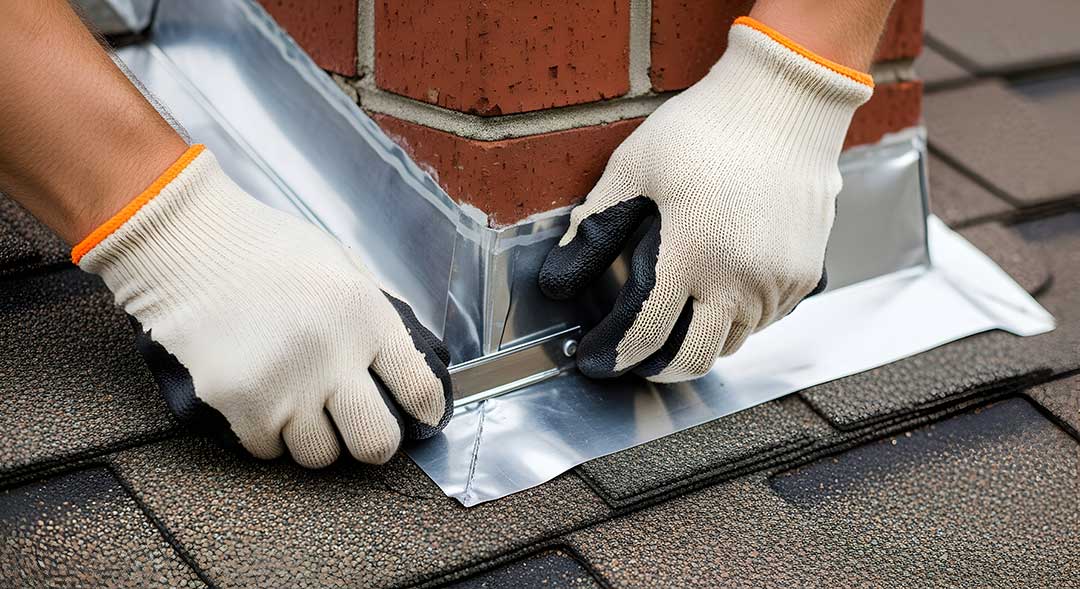
- Flashing around chimneys, vents, skylights, walls, and roof edges
- Valleys where two roof slopes meet and where runoff is concentrated
- Gutters, downspouts, and extensions for leaves, sediment, sagging, or separation
- Soffits, fascia, and eaves for rot, staining, or insect damage
- Attic areas for damp insulation, daylight, musty odors, water marks, or frost
- Tree limbs that rub against the roof or drop debris onto it
- Roof penetrations, including plumbing vents and exhaust outlets
The most useful inspections are seasonal and event-based. A roof deserves attention after strong winds, heavy snow, ice buildup, falling branches, or a storm that produces unusually intense rainfall.
How does maintenance extend a roof’s service life?
Roof coverings age through exposure to ultraviolet light, wind, moisture, and temperature changes. Preventive work does not stop aging, but it can reduce avoidable stress on the materials.
For example, a small opening around flashing can allow water beneath the roof covering. If corrected early, the affected area may remain limited. If ignored through several wet seasons, water may damage roof decking, insulation, rafters, interior finishes, or wall cavities.
Keeping gutters clear also helps protect the roof edge and the building itself. Clogged drainage can cause water to back up beneath roof materials, overflow against fascia, collect near the foundation, or freeze into heavy formations during winter.
Maintenance is particularly valuable when it preserves sound components that would be expensive or disruptive to replace. A roof’s long-term performance depends on the condition of its edges, drainage system, underlayment, ventilation, and flashing—not only on the visible surface.
Can preventive maintenance reduce total homeownership costs?
Yes, although maintenance cannot eliminate every repair. Its financial value comes from reducing the likelihood that a minor issue will become a multi-part building problem.
A small leak may eventually damage:
- Ceiling drywall and paint
- Attic insulation
- Electrical components
- Wood framing or roof decking
- Interior flooring and furnishings
- Wall cavities where hidden moisture can encourage mold growth
These costs are often greater than the original roof defect because several systems may require attention at once. Water can also remain hidden for a long time, especially near insulation or behind finished walls.
Preventive maintenance may also help a household plan for eventual replacement. Knowing which areas are aging allows repairs, budgeting, and scheduling to be handled before a sudden failure during a storm or winter weather event.
That does not mean every roof should receive repeated patching indefinitely. Maintenance is most valuable when it is paired with an honest assessment of remaining service life. A roof with widespread deterioration may be better evaluated for replacement than repeatedly repaired in isolated areas.
What should Hamilton homeowners watch for in winter?
Snow and ice create risks that are easy to overlook from the ground. Heavy snow adds weight, while melting and refreezing can create ice dams along colder roof edges.
An ice dam forms when snow melts on a warmer section of the roof and refreezes near the eaves. The resulting ice can obstruct drainage and allow water to move beneath roof coverings. Poor attic insulation, inadequate ventilation, clogged gutters, and uneven roof temperatures can increase the risk.
Warning signs include:
- Icicles forming repeatedly along the same roof edge
- Water stains near exterior walls or ceilings
- Frost or moisture in the attic
- Gutters pulling away from the fascia
- Doors or windows becoming difficult to open after a winter leak
- Visible sagging or unusual roof lines
Snow removal can be hazardous and can damage shingles if done improperly. Heavy or uneven snow loads, visible sagging, cracking sounds, or falling ice should be treated as safety concerns rather than routine maintenance tasks. People should remain clear of areas where snow or ice may fall from the roof.
When is the best time to inspect a roof?
A practical schedule is to check the roof and drainage system in spring and again in fall.
A spring review can identify damage from snow, ice, wind, and fallen branches. It is also a useful time to look for attic moisture and confirm that gutters and downspouts are moving water away from the building.
An autumn review helps prepare the roof for leaves, shorter daylight hours, freezing temperatures, and snow. Gutters should be cleared before winter weather makes access difficult.
Additional checks are sensible after:
- High winds or severe thunderstorms
- Hail or unusually heavy rain
- A nearby tree or large branch falling
- Ice dam formation
- Interior staining, dripping, or musty odors
- Roofing work, solar installation, chimney work, or other changes near the roof
A visual inspection from the ground can identify obvious concerns, but it cannot reveal every problem. Walking on a roof is risky and may damage aging materials. Steep roofs, fragile coverings, wet surfaces, snow, and ice should not be approached casually.
What maintenance can homeowners do safely?
Homeowners can often inspect visible roof edges from the ground, keep gutters accessible and clear when conditions are safe, check attic areas, trim branches away from the roof, and watch for signs of moisture.
It is also helpful to keep records of repairs, leaks, inspections, storm damage, and the approximate age of the roof. Photographs taken from the ground can make it easier to compare changes over time.
Tasks involving steep slopes, electrical equipment, structural damage, suspected roof collapse, heavy snow, or difficult-to-reach areas require specialized safety knowledge. In those situations, a qualified roofing or building professional may be necessary—not because every roof needs extensive work, but because an unsafe inspection can create greater risk than the original defect.
How should maintenance decisions be prioritized?
Start with conditions that allow water or snow to enter the building. Active leaks, damaged flashing, open roof penetrations, blocked drainage, and severe roof-edge deterioration generally deserve prompt attention.
Next, address conditions that can worsen quickly, such as exposed decking, loose materials, sagging gutters, rotting fascia, or branches rubbing against the roof.
Cosmetic issues can usually be considered after weatherproofing and safety concerns. A roof does not need to look new to perform well, but it does need to shed water, manage snow, and remain securely connected to the structure.
A consistent maintenance record turns roof care from an emergency response into a manageable part of home ownership. It helps residents understand how the roof is aging, recognize changes early, and make decisions based on evidence rather than guesswork.
