
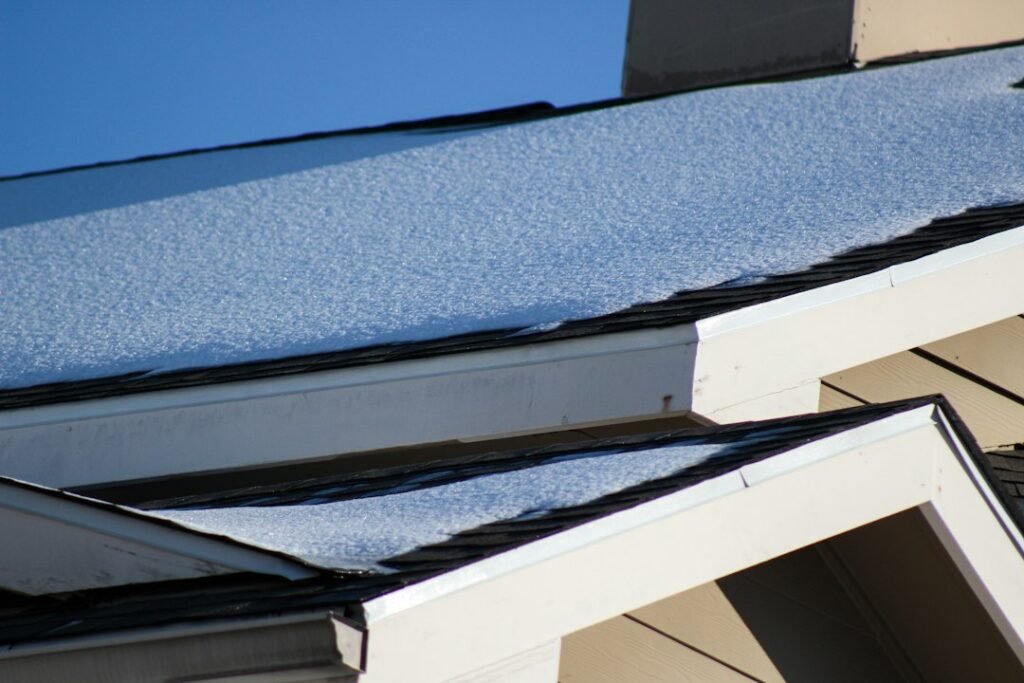
A roof does not have to be actively leaking to be ready for replacement. Age, repeated repairs, storm damage, visible deterioration, and problems beneath the shingles can all indicate that the roof is nearing the end of its useful service life.
For households in Hamilton, NY, the decision deserves extra attention because roofs must withstand long heating seasons, snow, freezing rain, ice, wind, and repeated freeze-thaw cycles. The right question is not simply “How old is the roof?” but “How well is the entire roofing system still protecting the house?”
How old is too old for a roof?
The age of a roof is a useful starting point, but it is not a precise expiration date. A typical asphalt-shingle roof may last roughly 15 to 30 years, depending on shingle quality, installation, ventilation, roof slope, sun exposure, moisture, and maintenance.
A roof that is 20 years old may still be performing well if it has been properly installed and maintained. Another roof may develop serious problems sooner because of poor attic ventilation, storm exposure, persistent moisture, or repeated patching.
Check for installation records, closing documents, warranties, or past repair invoices. If the roof’s age is unknown and several warning signs are present, replacement planning becomes more reasonable than waiting for a major interior leak.
What visible signs suggest replacement is approaching?
Some roof problems can be seen from the ground or during a cautious visual inspection. Common warning signs include:
- Shingles that are curling, buckling, cracked, or missing
- Large areas where the surface granules have worn away
- Dark streaks, exposed fiberglass, or bare patches
- Sagging along the roofline or between rafters
- Damaged flashing around chimneys, vents, skylights, and roof edges
- Loose or deteriorated ridge caps
- Exposed nails or areas where roofing materials have lifted
- Moss or algae growth that is widespread rather than isolated
A few damaged shingles do not automatically mean the entire roof must be replaced. Localized damage may be repairable when the surrounding roofing remains flexible, watertight, and in good condition. Replacement becomes more likely when deterioration is widespread or when repairs are occurring in several different areas.
Does a leak always mean the roof needs replacement?
No. A single leak may come from damaged flashing, a blocked drainage path, a failed pipe boot, or a small section of damaged shingles. These problems can sometimes be corrected without replacing the complete roof.
The pattern of the leaks matters. Repeated leaks, water appearing in different rooms, or stains that return after repairs suggest that the problem may be broader than one isolated defect.
Water marks on ceilings or walls should not be ignored, even if the area dries out. Moisture can damage insulation, roof decking, framing, paint, and electrical components. A leak may also appear indoors some distance from the actual entry point because water travels along the underside of the roof before entering the living space.
A sagging ceiling, active dripping near electrical fixtures, or visible structural movement requires prompt attention for safety reasons.
What does storm damage look like?
Severe weather can shorten a roof’s remaining life even when damage is not immediately obvious. Heavy snow, ice, strong wind, falling branches, and rapid temperature changes can affect shingles, flashing, gutters, and the roof deck.
After a significant storm, look for:
- Shingles on the ground or in the yard
- Torn, lifted, or displaced roofing materials
- New leaks in the attic or upper floors
- Bent metal flashing or damaged vents
- Gutter sections containing unusually large amounts of shingle granules
- Broken branches resting on the roof
- New sagging or uneven roof sections
Do not climb onto a roof after a storm, especially when surfaces are wet, icy, steep, or unstable. Ground-level observations and attic checks are safer. If structural damage, active water entry, or electrical hazards are present, qualified assistance may be necessary because inspection itself can be dangerous.
Why does Hamilton’s winter climate matter?
Central New York roofs face more than ordinary rainfall. Snow accumulation adds weight, while ice and freezing rain can create concentrated loads around valleys, roof edges, and areas where snow drifts. Winter weather can also expose weaknesses in flashing and drainage details.
Freeze-thaw cycles are especially hard on aging roofing materials. Water enters small cracks or gaps, freezes, expands, and then contracts as temperatures change. Over time, this can loosen shingles, widen openings, and damage the roof deck.
Ice dams may form when heat escapes into the attic and melts snow on the warmer upper roof. The water can refreeze near colder eaves and back up beneath the shingles. Ice dams do not always mean the roof itself needs replacement, but recurring ice dams may indicate problems with insulation, air sealing, ventilation, roof design, or deteriorated materials.
Can attic conditions reveal a failing roof?
Yes. The attic often shows problems before they become obvious inside the house. On a dry day, look for:
- Damp or dark roof decking
- Water stains around nails, vents, chimneys, or valleys
- Wet or compressed insulation
- Daylight visible through the roof boards
- Frost on roof sheathing during cold weather
- Mold-like growth or persistent musty odors
- Rusted fasteners or corroded metal components

Frost in an attic can result from warm, moist household air reaching cold roof surfaces. It may be related to ventilation or air leakage rather than a roof covering failure. However, repeated moisture problems can eventually damage the roof deck and shorten the life of the roofing system.
Is replacing shingles enough?
Not always. A roof is a system that includes shingles or another outer covering, underlayment, flashing, ventilation, edge details, and the structural roof deck.
If the decking is soft, rotten, delaminated, or repeatedly exposed to moisture, new shingles alone will not solve the underlying issue. Flashing around chimneys, walls, skylights, and vents also deserves attention because these transitions are common sources of leaks.
Adding another layer over old shingles may be allowed in some circumstances, but it can hide damaged decking, add weight, and make future repairs more difficult. The condition of the existing roof, the number of layers, local requirements, and the structure’s capacity all matter.
Should a roof be replaced before winter?
If a roof already has active leaks, widespread shingle failure, exposed decking, or serious storm damage, waiting for winter can increase the chance of interior damage. Replacement planning is often easier before severe weather arrives, but the season alone should not determine the decision.
A roof with only minor, stable wear may be monitored while repairs and future replacement are planned. A roof showing several major warning signs should not be judged by appearance alone. The condition of the underlayment, flashing, ventilation, and decking may determine whether repair or replacement is the more sensible long-term choice.
A practical replacement decision
Replacement is more likely to be appropriate when several of these conditions occur together:
- The roof is near or beyond its expected service range
- Shingle damage is widespread
- Leaks keep returning after repairs
- The roof deck or framing shows moisture damage
- Storm damage affects multiple roof areas
- Flashing and edge details are failing in several locations
- Attic moisture problems continue
- Repair costs are becoming frequent compared with the roof’s remaining condition
The safest approach is to document the roof’s age, photograph visible concerns from the ground, inspect the attic when conditions are safe, and address active water entry promptly. A roof does not need to look severely damaged from the street to require replacement, and a single stain does not automatically mean the entire roof has failed. The most reliable decision considers age, materials, weather exposure, repair history, attic conditions, and the condition of the roof structure beneath the covering.
